


A Beginner’s Guide to Spring Birding on the Eastside
Written by Ian Shultz
Spring migration is perhaps the best time to get into birding, and on the Eastside, it starts sooner than many realize. Starting as early as March, Rufous Hummingbirds begin to migrate from southern Mexico, with males arriving first and females arriving a week or so behind (listen for the tiny buzz reminiscent of an electrical current). Red-winged Blackbirds begin to retake the cattail marshes, filling the cold morning air with their distinct “conk-la-ree!” song, and songbird activity quickly ramps up. Springtime on the Eastside is rambunctious in terms of noise and bird activity—it’s vocal, visible, and active, and due to its lack of subtlety, it is the perfect season to start birding.
WHAT YOU NEED
When getting started with birding, simply using your eyes and ears first to build up your recognition skills goes a long way. That said, a pair of binoculars can be a game-changer for seeing birds at a distance, and anything in the 8x42 range is a great starting point, especially for the typical conditions we deal with in the Pacific Northwest.
Out of all tools available to the modern birder, the one I’d recommend the most is the Merlin Bird ID app, a smartphone application built by the Cornell Lab of Ornithology. It’s free, and the Sound ID feature can listen to birdsong (however obscure) and pinpoint species in real-time. Especially when just starting out with birding, the ability to parse and analyze birdsong and calls immediately when you hear them can be groundbreaking. If you pair it with eBird, another free Cornell Lab software, you will be able to log your bird sightings (and hearings!) and contribute to one of the world’s largest biodiversity datasets with minimal effort.
WHERE TO GO
For a suburban area, the Eastside has a wonderful variety of good birding habitats, partly due to the diverse ecosystems and well-connected networks of protected wetlands and riparian corridors. Some of the best birding locations include:
Marymoor Park (Redmond) — Marymoor Park has long been a hotspot for birds, even before Eastside Audubon helped establish the Bird Loop Trail almost 20 years ago. By March, the riverside cottonwood rookery in which Great Blue Herons raise their young is already active. Wood Ducks can be found tucked in the quieter areas of the slough, and native plantings alongside the trail also attract Spotted Towhees, Bewick’s Wrens, and mixed flocks of chickadees and kinglets. Make sure to arrive early, as bird activity can noticeably drop off around mid-morning.
Juanita Bay Park (Kirkland) — For a first birding outing, Juanita Bay Park is a great option. It is smaller than Marymoor, but as a result, the concentration of birds is much denser—on a good morning, you can reasonably count twenty to thirty species with comparatively minimal walking. Multiple boardwalks across freshwater marsh provide an unobstructed view of some of Juanita’s most reliable March species, which can include Buffleheads, Hooded Mergansers, and Pied-billed Grebes.
Mercer Slough Nature Park (Bellevue) — Mercer Slough is a quieter and more wooded location, but it can reward patience. Anna’s Hummingbirds are year-round residents (listen for their scratchy song trilled from exposed perches), while Tree Swallows and Violet-Green Swallows begin to return to nest boxes by late March. Once the Swallows arrive, spring has officially begun.
SPECIES TO KNOW
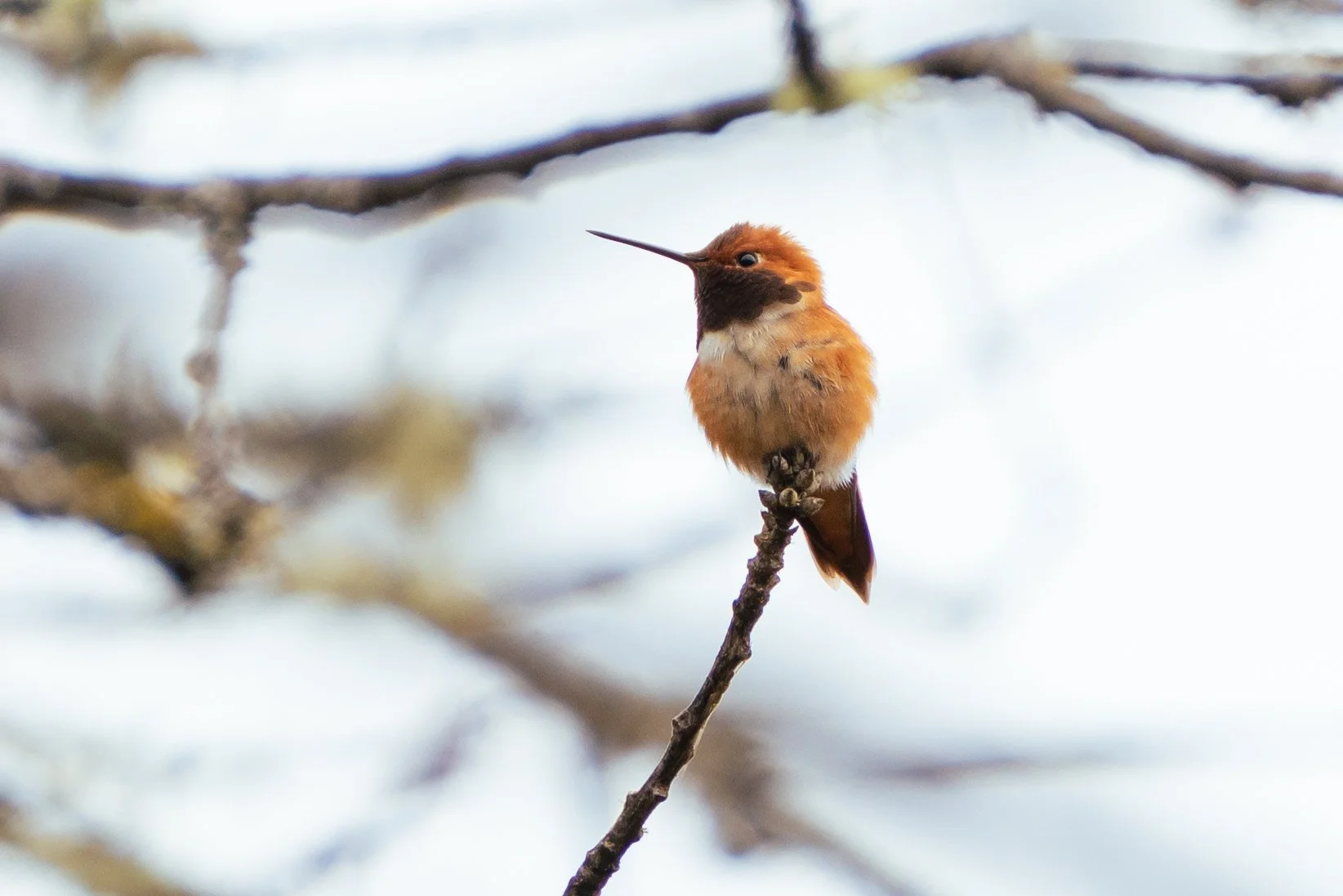
Rufous Hummingbird — After a flight of two thousand miles from Mexico, the males arrive a week before the females, usually in the first few weeks of March. One of the “feistiest hummingbirds of North America,” Rufous Hummingbirds will often attack birds much larger than them to defend a food source, even though they only weigh roughly as much as a nickel.
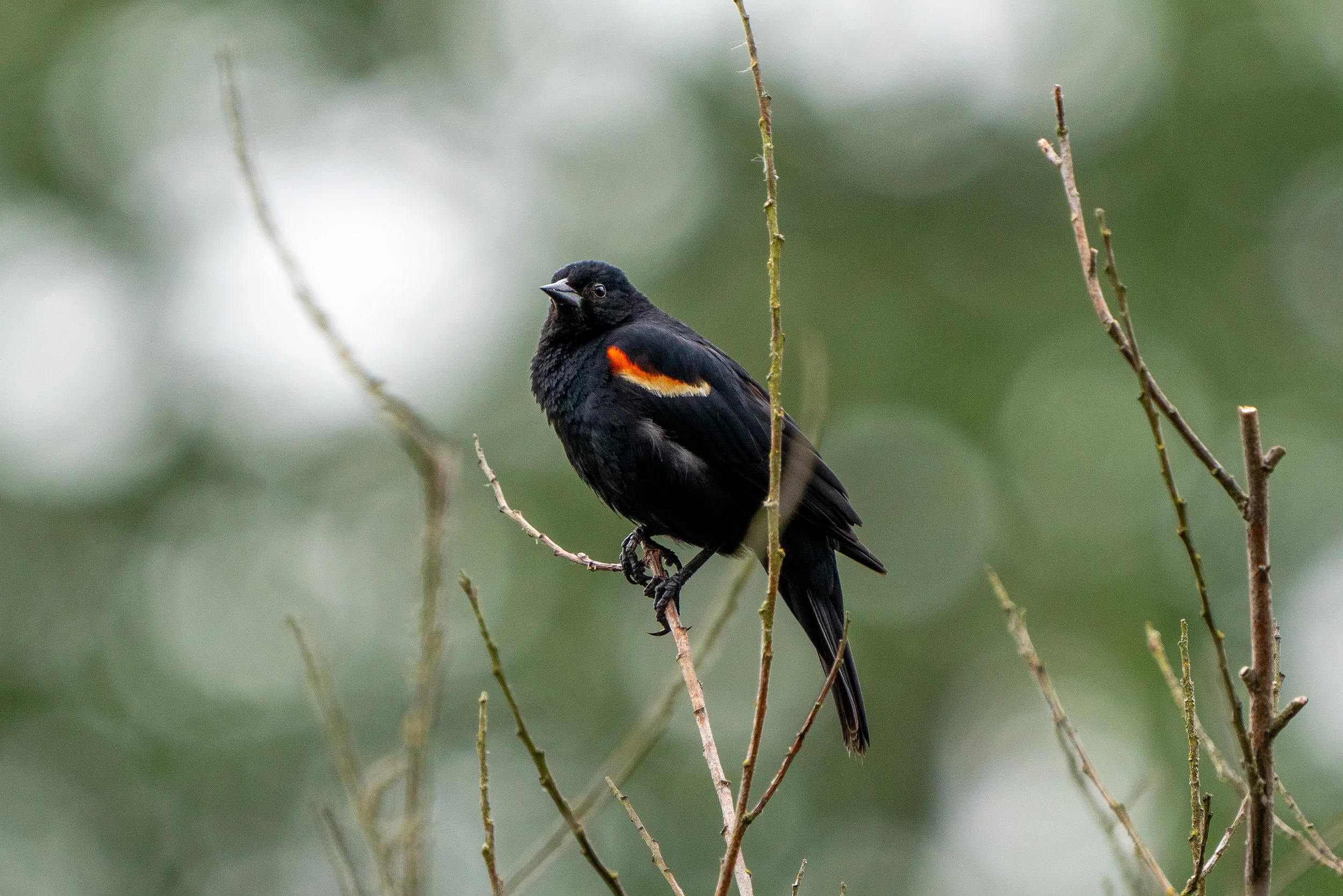
Red-winged Blackbird — Their iconic call is often recognized as the sound of spring. Watch as males perch on long cattails, spread their wings, and sing repeatedly in the same direction to establish their territory. Male Red-winged Blackbirds often spend more than a quarter of daylight hours defending their territory.
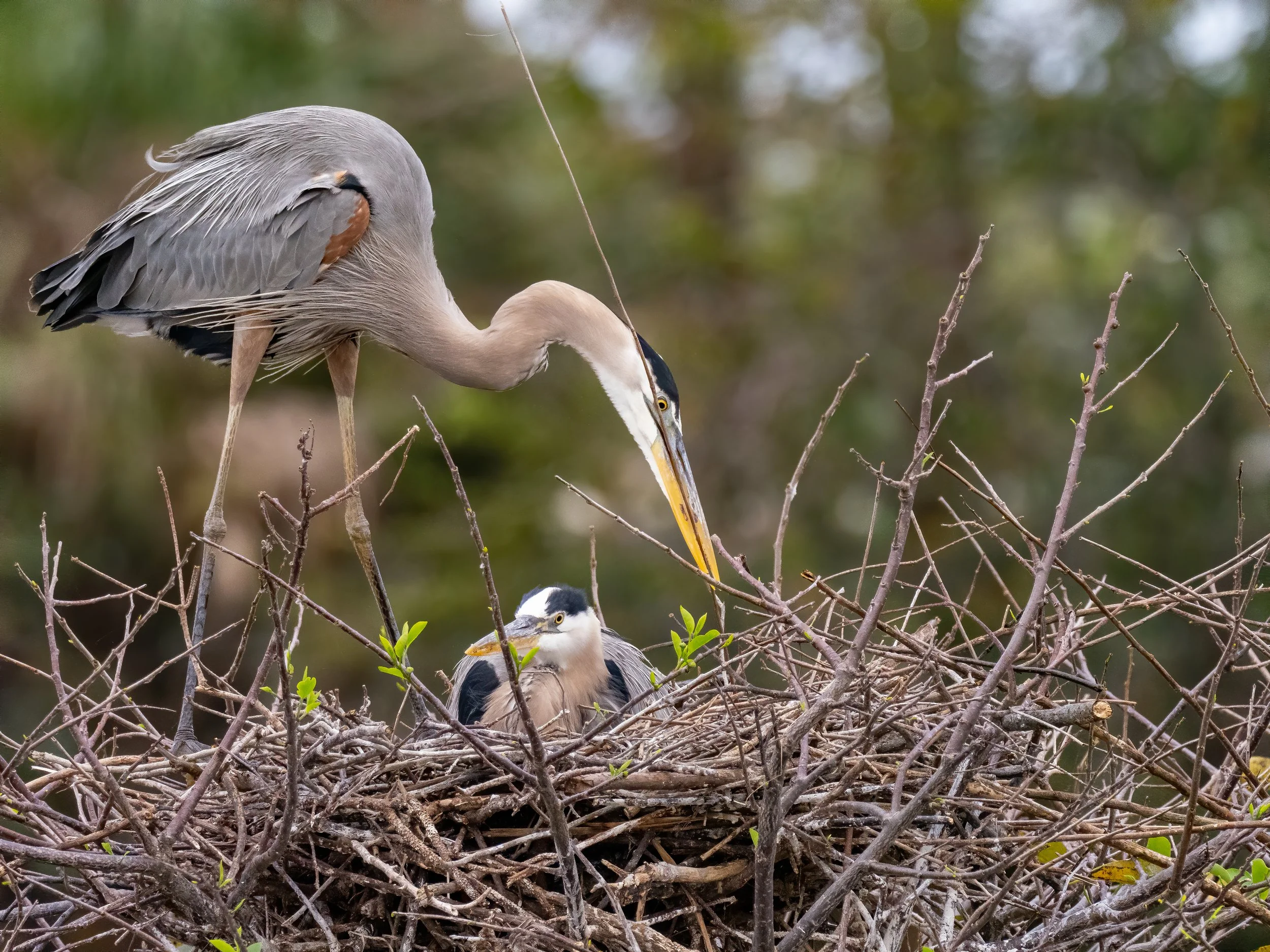
Great Blue Heron — Herons are already nesting in March, and Marymoor Park is one of the most accessible places to watch them. Throughout the nesting season, they can be found carrying branches to their nests in the cottonwoods high above, or fishing in the water below.
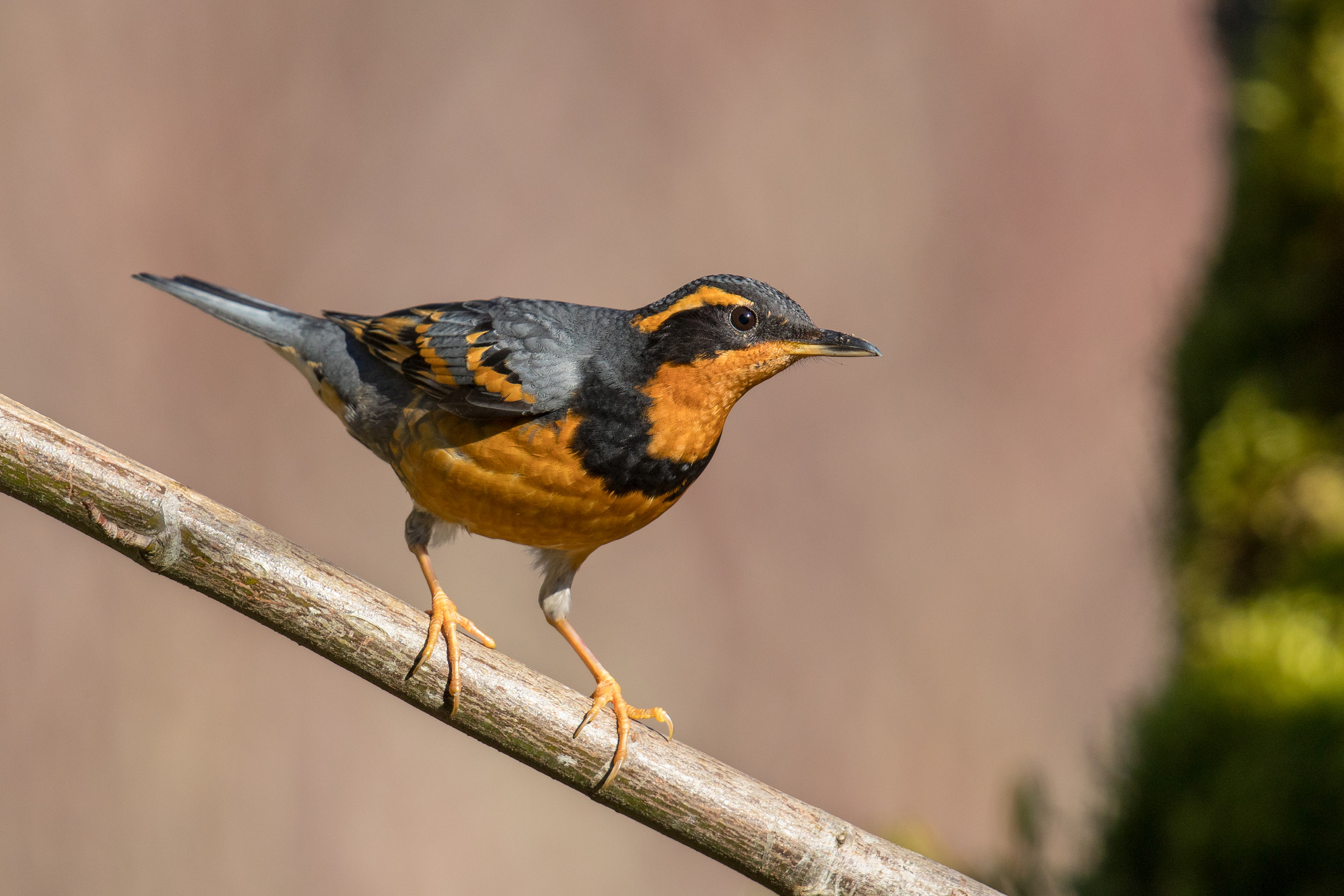
Varied Thrush — When I first started birding and saw a Thrush for the very first time, I thought it was a strange-looking Robin. This species sings a single, sustained note that changes in pitch, and can be found foraging on the ground—they are often easy to spot due to their striking orange-and-slate plumage.
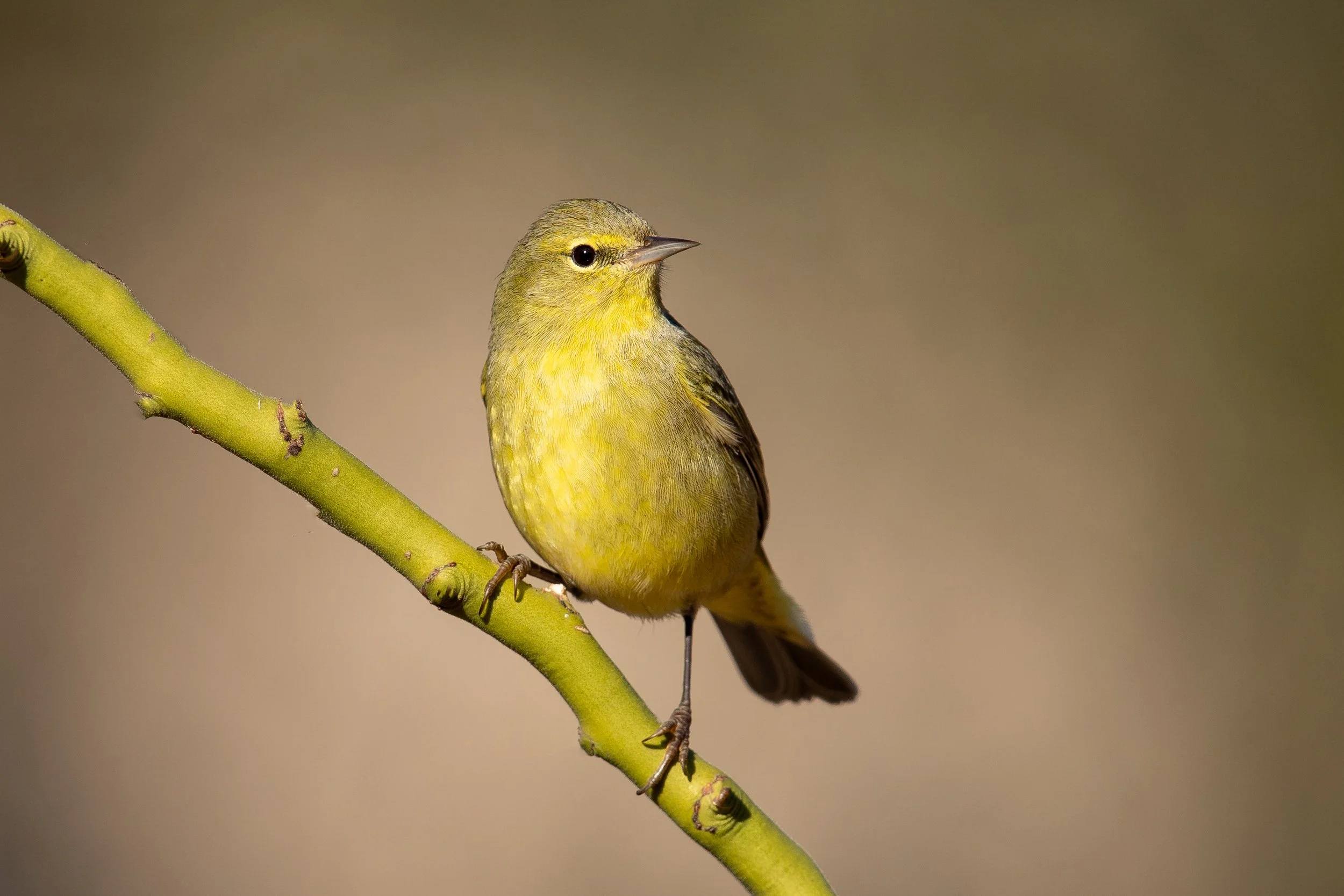
Orange-crowned Warbler — Although one of the plainest-looking warblers—the orange plumage on their head is very rarely visible—the Orange-crowned Warbler is one of the hardiest of them all. They often stay low, so watch the ground and small bushes, and listen for their sharp “stik” calls.
Photo Credit: (1) Rufous Hummingbird by Penelope Kipps; (2) Red-winged Blackbird by Penelope Kipps; (3) Great Blue Heron by Mick Thompson; (4) Varied Thrush by Mick Thompson; (5) Orange-crowned Warbler by Mick Thompson
GETTING STARTED
For your first birding adventure, pick a single park, give yourself an hour, and focus on identifying a couple of species yourself. Tune your eyes and ears to the habitat around you. Pay attention to how the birds move, where in the vegetation they eat, and listen for the differences between calls and songs. You may be surprised how fast you develop advanced birding skills.
Additionally, Eastside Audubon runs free guided bird walks through the spring led by experienced birders happy to help beginners learn the basics of birding. Check the calendar at https://www.eastsideaudubon.org/calendar for upcoming walks.
References available on request.
Ian Shultz is a high school student, bird photographer, and Eastside Audubon volunteer based on the Eastside. You can see his work at shultzphotography.com.