
Learn about the Corvid Crier Newsletter and sign up for the email list at this link!
Featured


Corvid Crier Articles
Eastside Audubon is looking for volunteers to fill two positions: A UX/UI Designer and a Videographer for our monthly Program Nights.
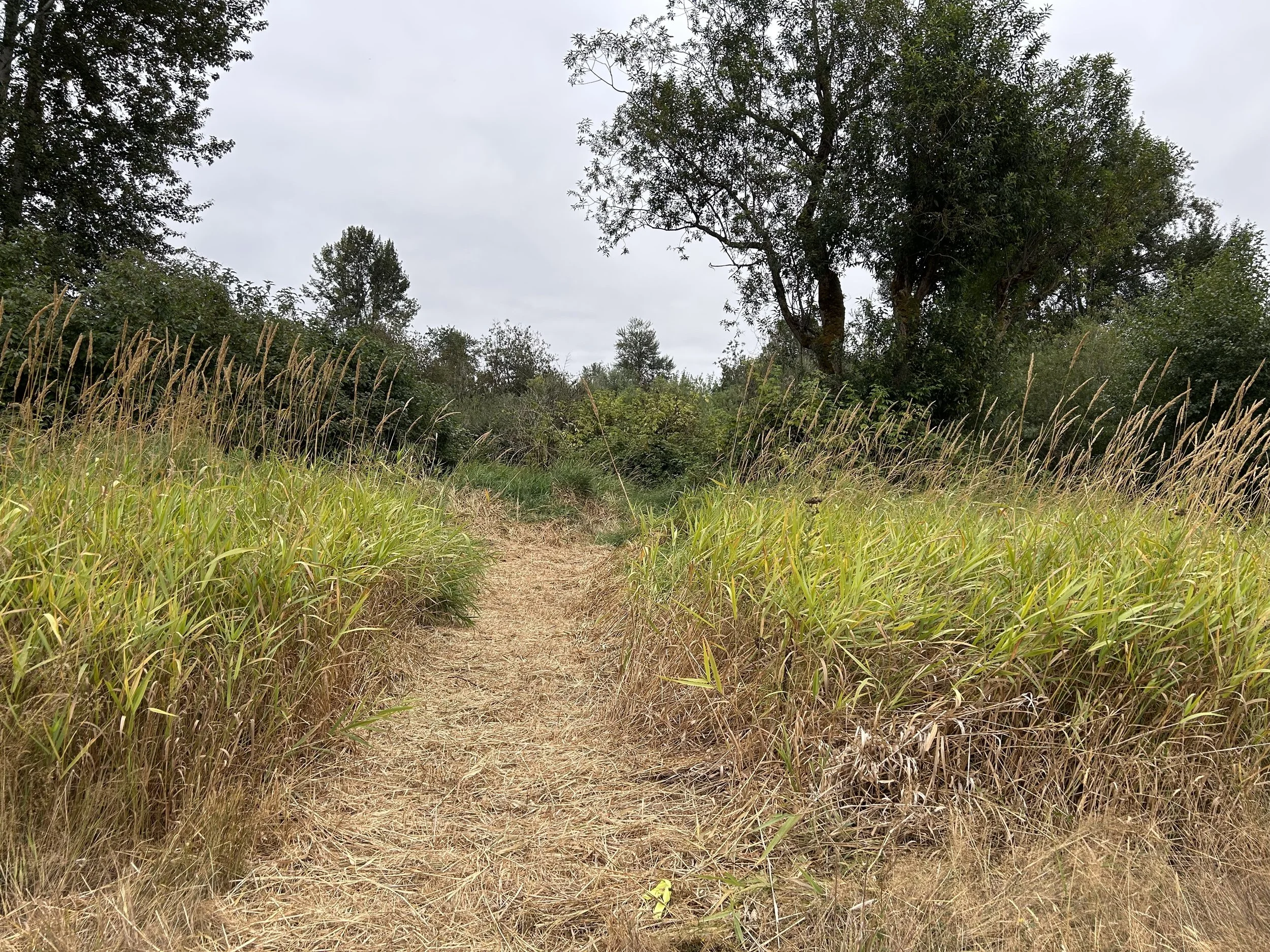
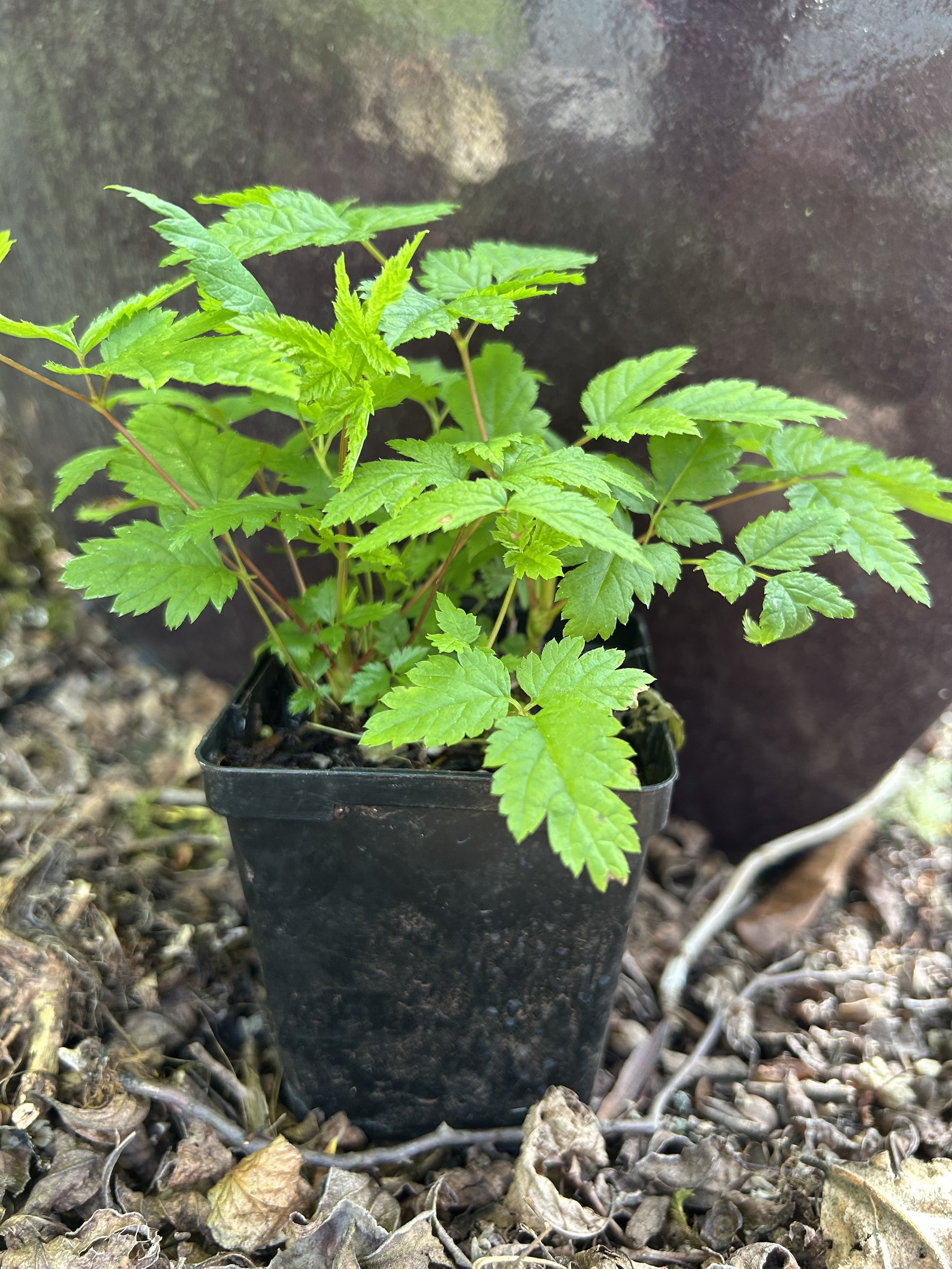
Those of you who are regulars at Marymoor Park may be wondering what all the new paths leading out from the Meadow Loop Trail are for. No, they are not for birding access further into the natural area but were made in preparation for the plant installations the Marymoor team has planned for this fall.
Birdability Week is coming in October again this year! Birdability is an organization that sponsors and advocates for accessibility in birding for people with many different forms of disability and ability.
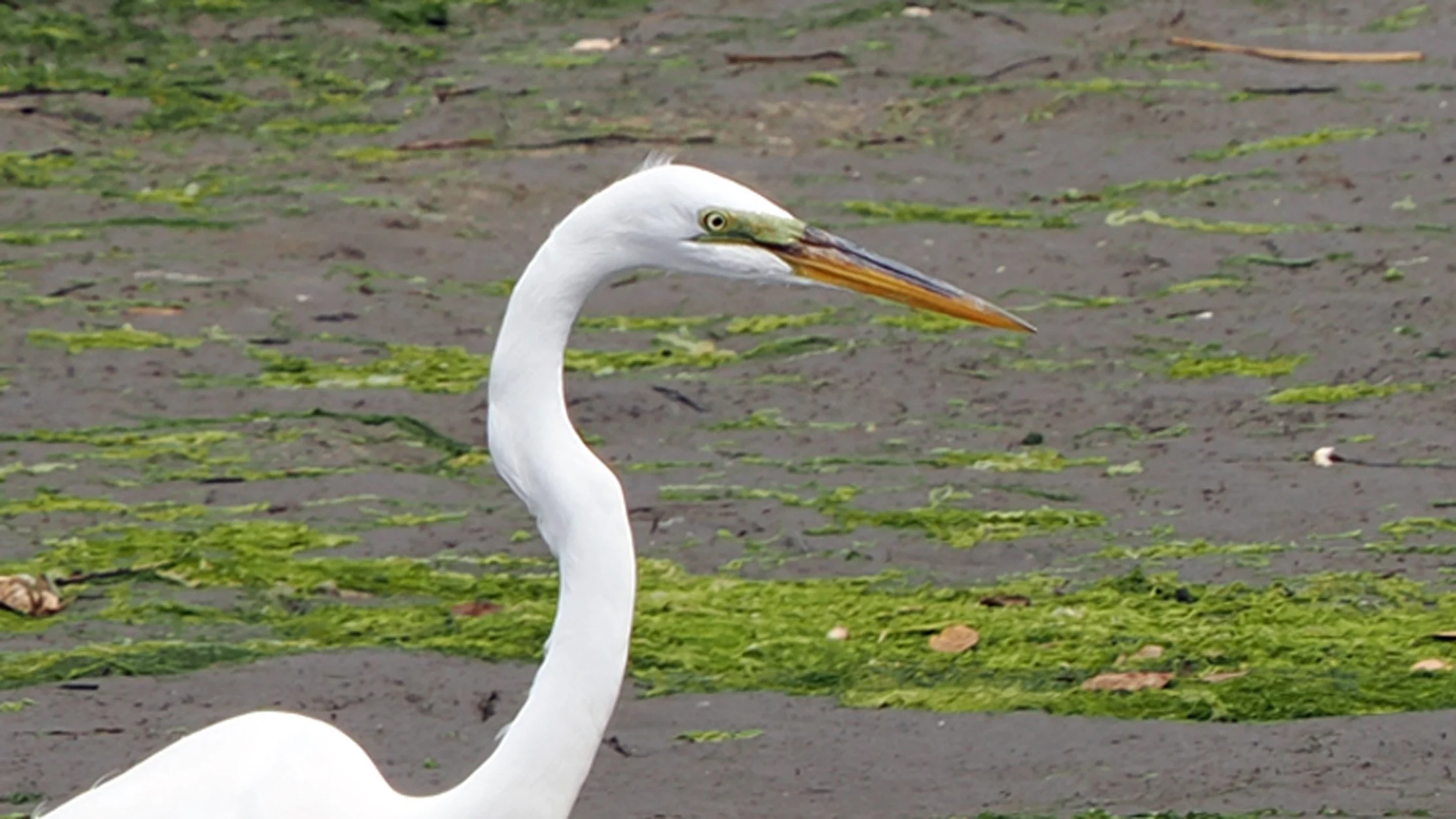
A breeding bird of the Potholes region, the Great Egret is Washington’s largest white heron.
Would you be interested in helping our restoration at Marymoor, but can't make our monthly work parties, don’t want to deal with thorny blackberry bushes or get your hands dirty? Well, we have a job for you!
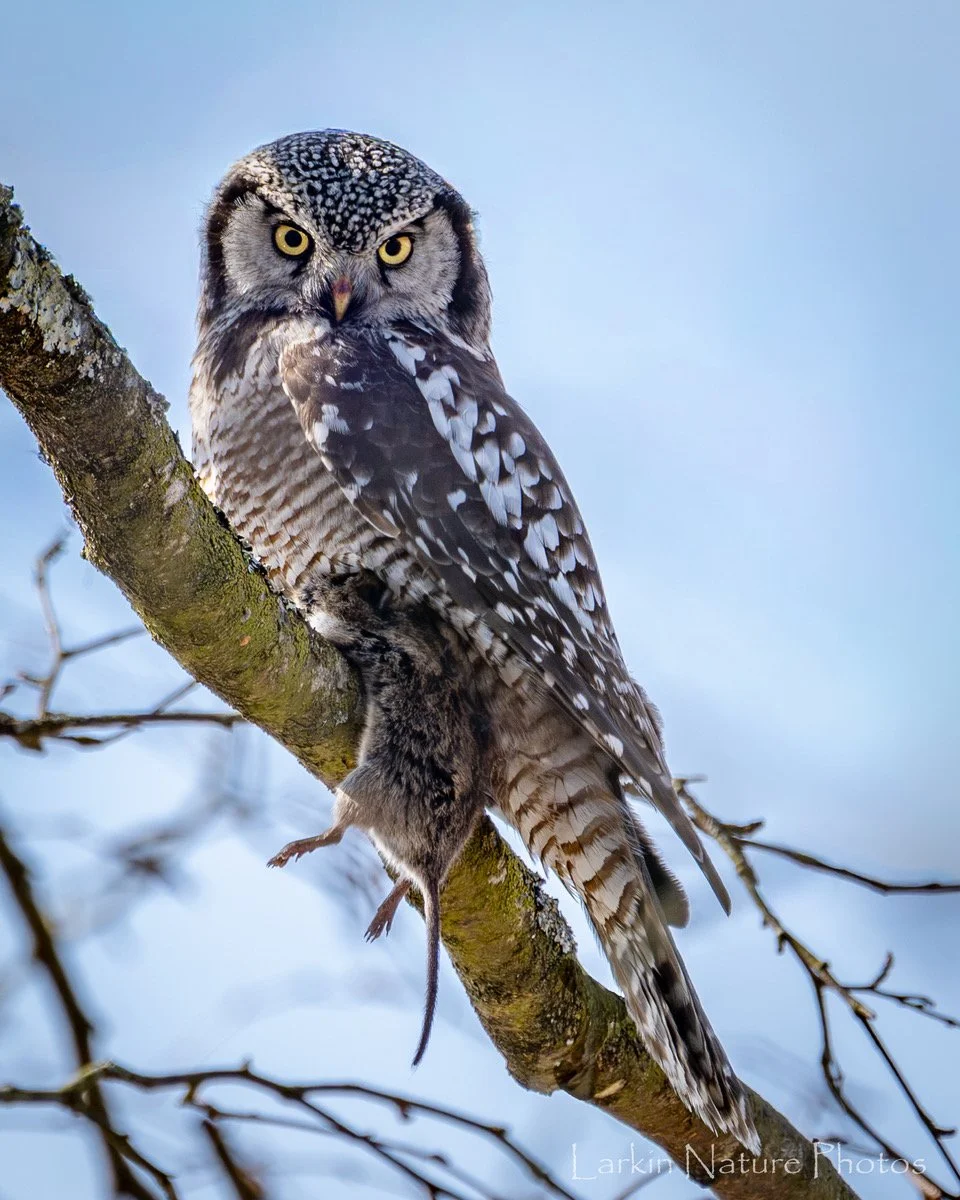
Margaret Larkin won the Eastside Audubon Photo of the Month award for September for her photograph of a Northern Hawk Owl taken in British Columbia.
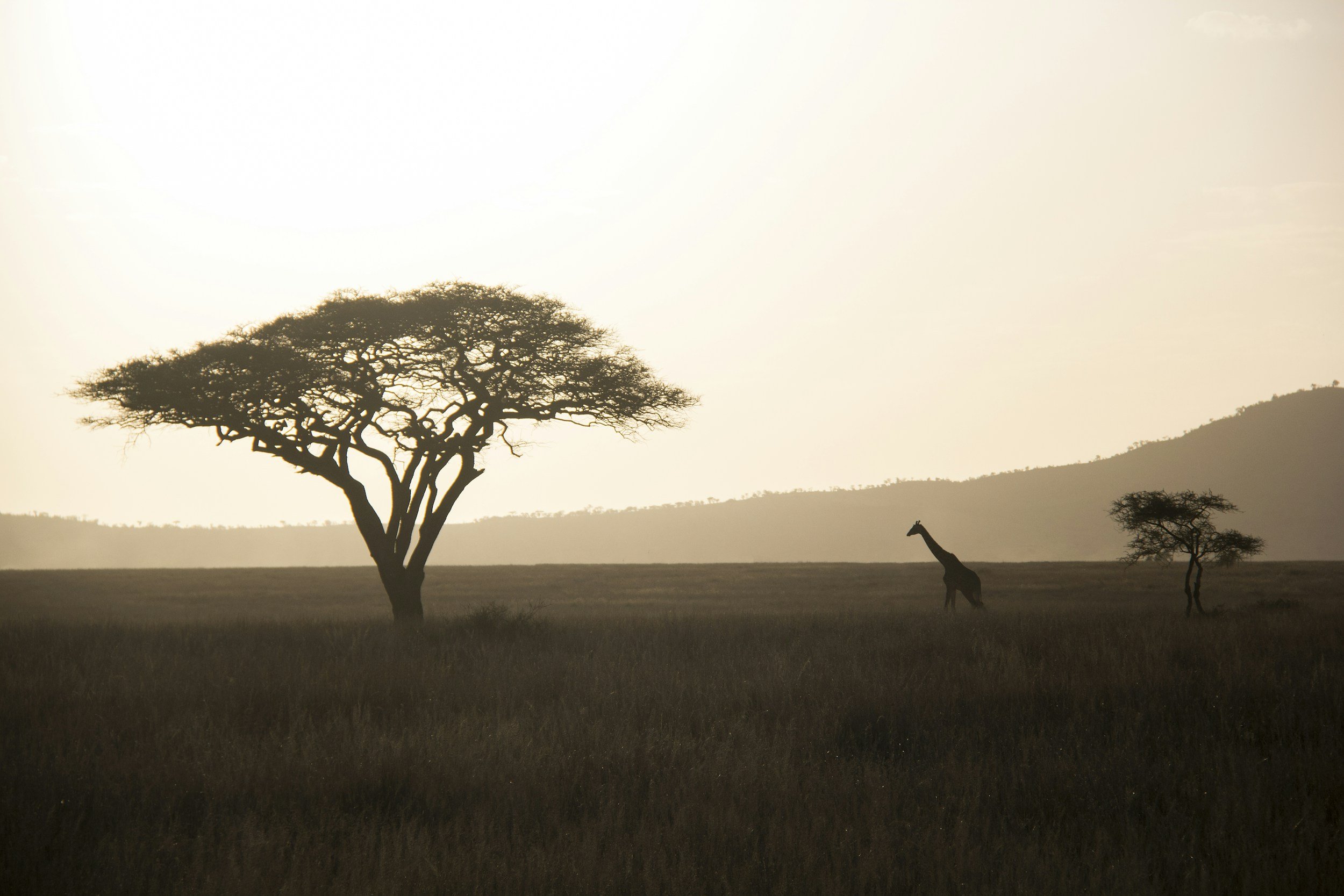
Kendall Wiggins, leader of the monthly Tolt-MacDonald bird walk, is looking to gather a group of fellow bird enthusiasts to go to northern Tanzania (including Serengeti) in July 2027!
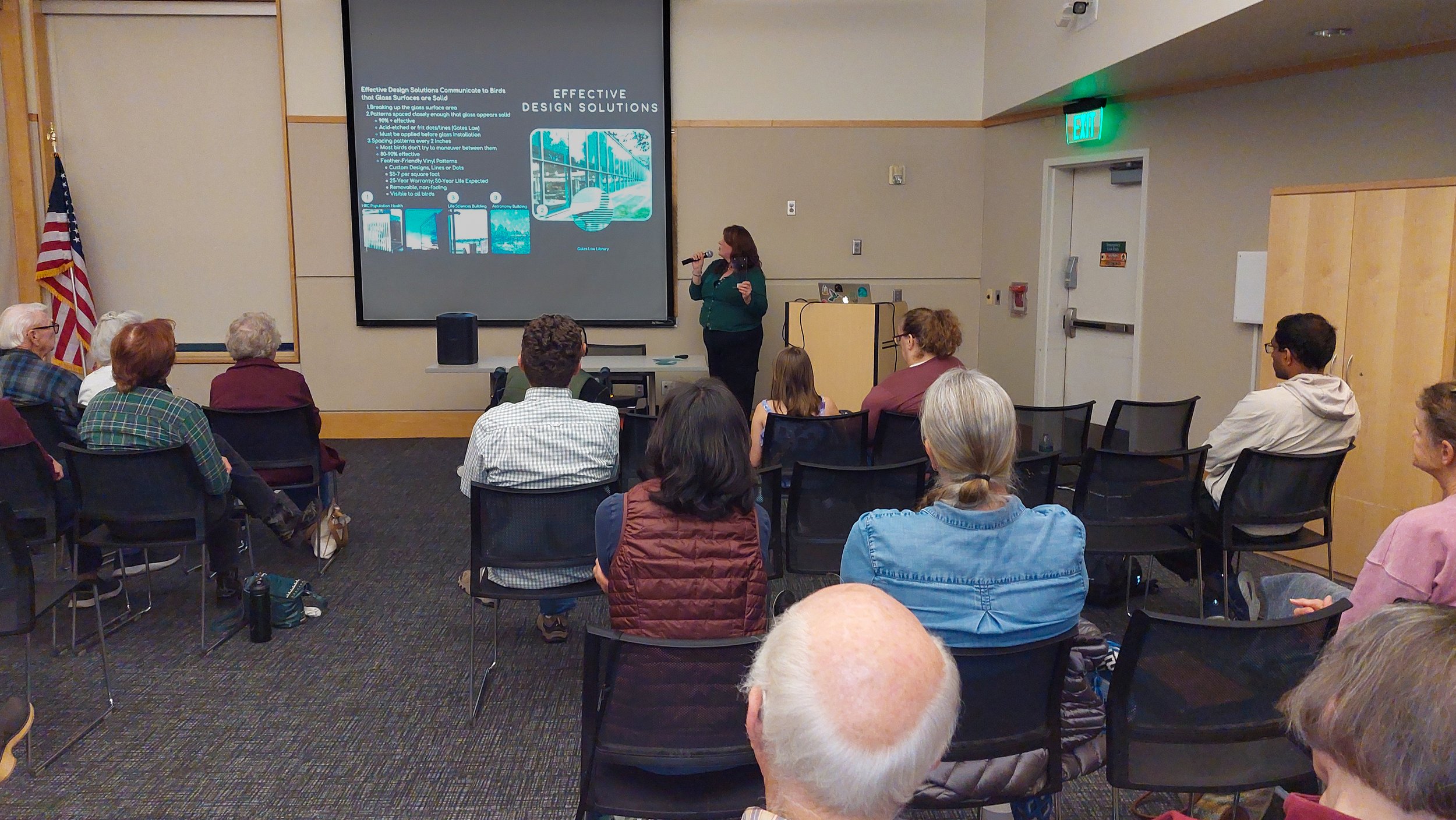
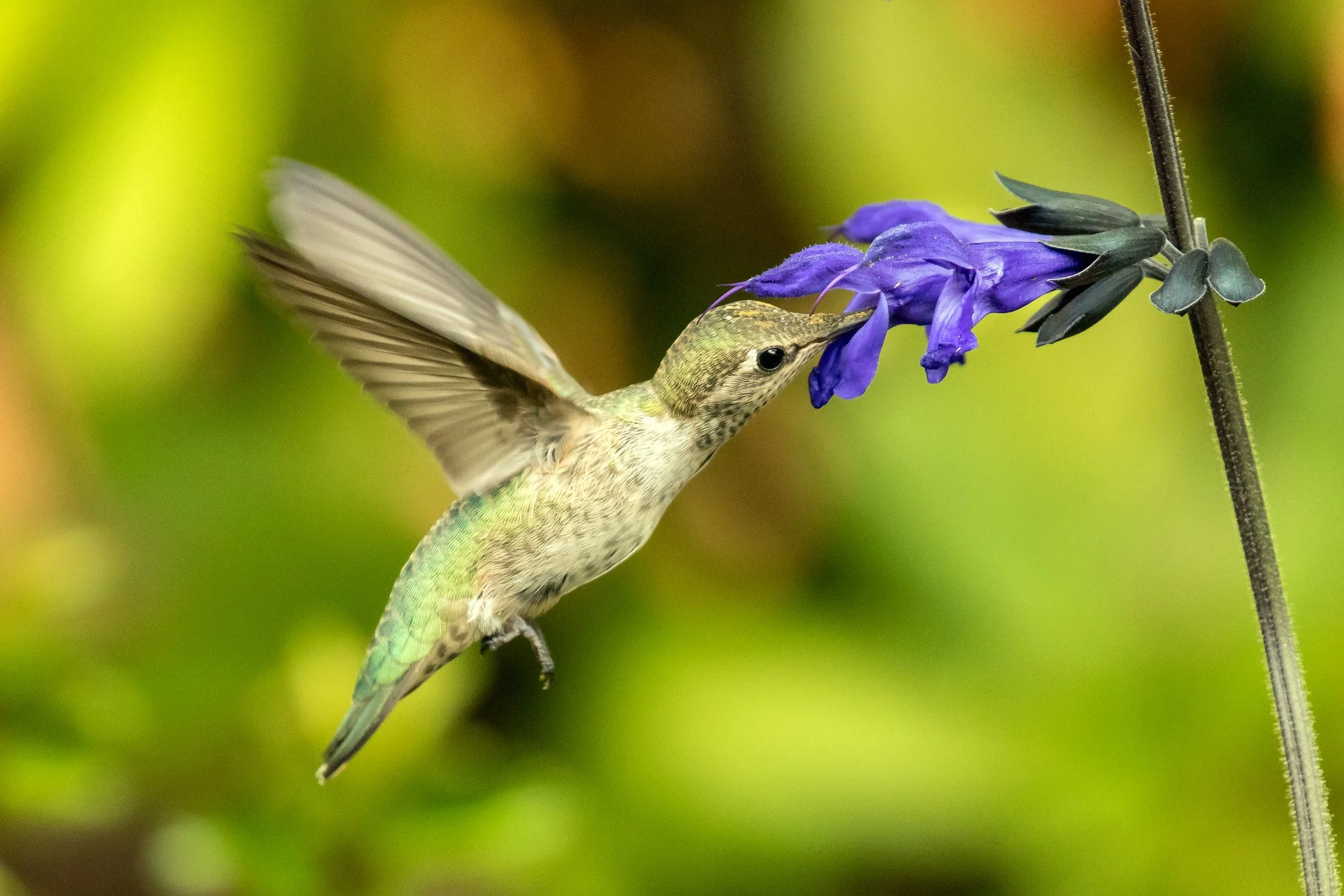
Two female Anna's hummingbirds struck the glass outside a Starbucks at the University of Washington while students waited in line for coffee. The birds lay on the pavement for 90 minutes. Several students stepped out with cups and bagels and stopped to help. Nothing could be done.
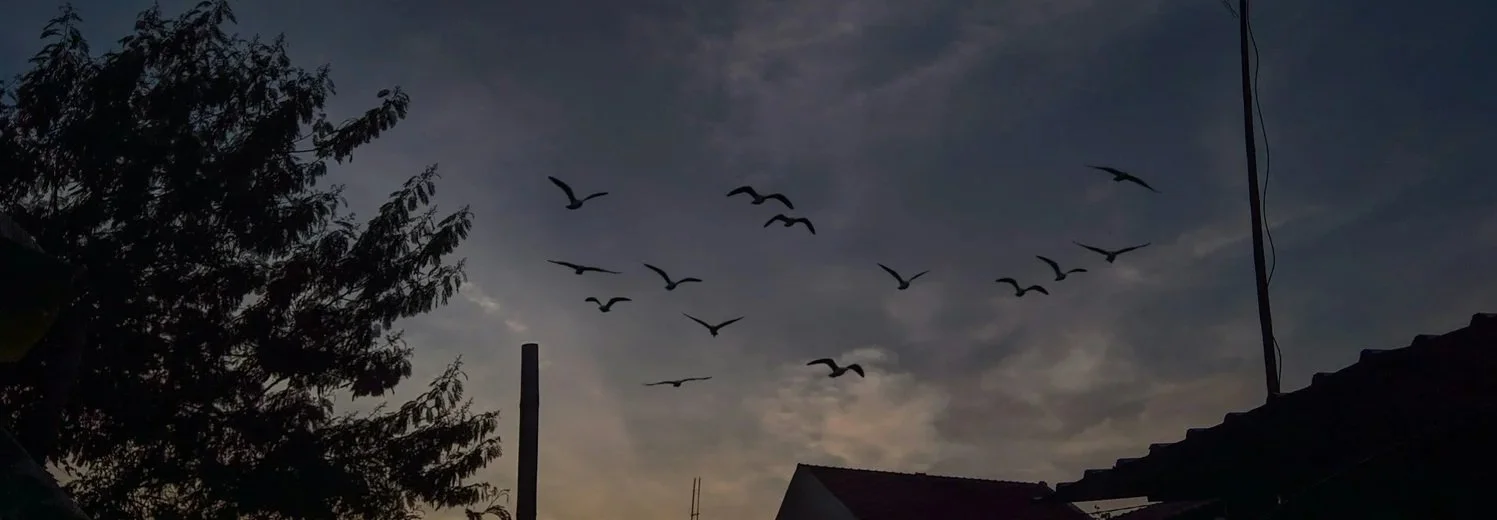
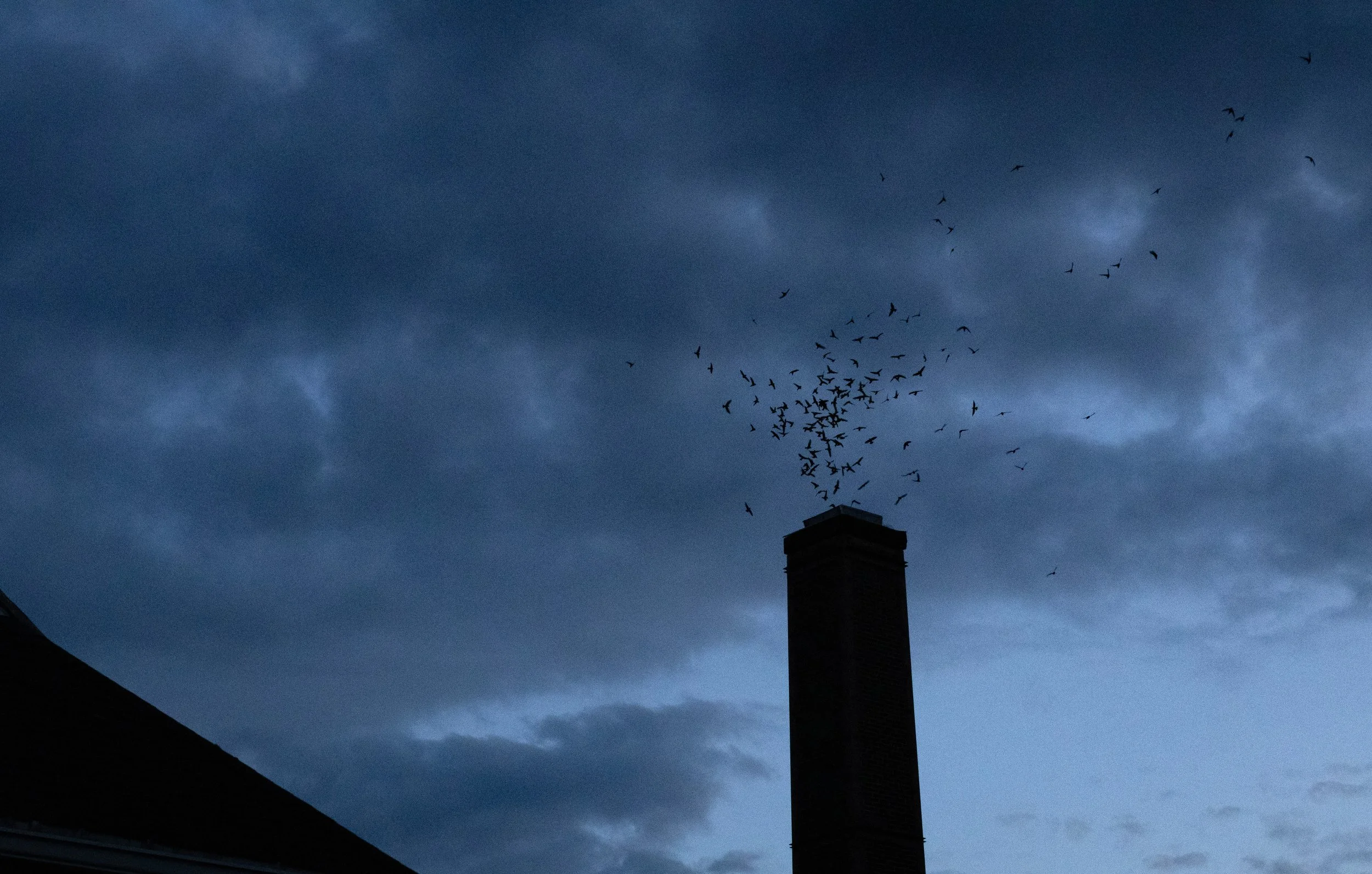
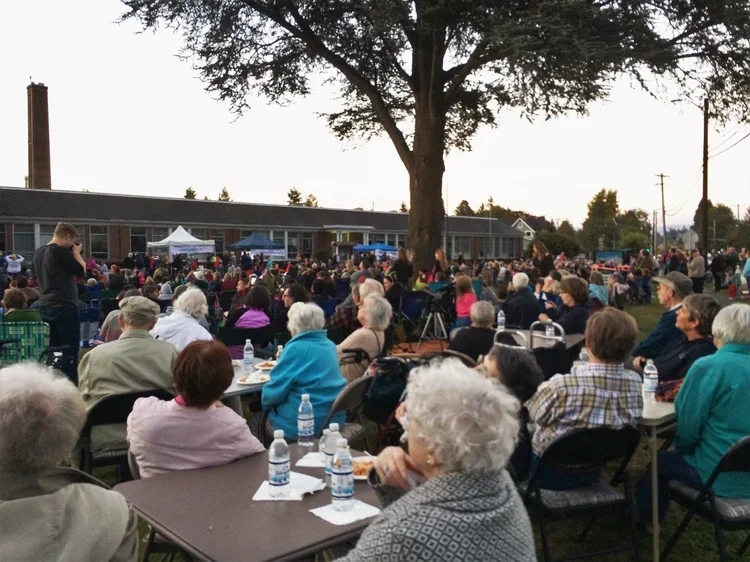
For just a fleeting fifteen minutes around sunset on late summer and early fall evenings in Monroe, thousands of Vaux’s Swifts assemble above the historic brick chimney at Frank Wagner Elementary School and drop, one small, synchronized group at a time, into the brick shaft where they will spend the night.
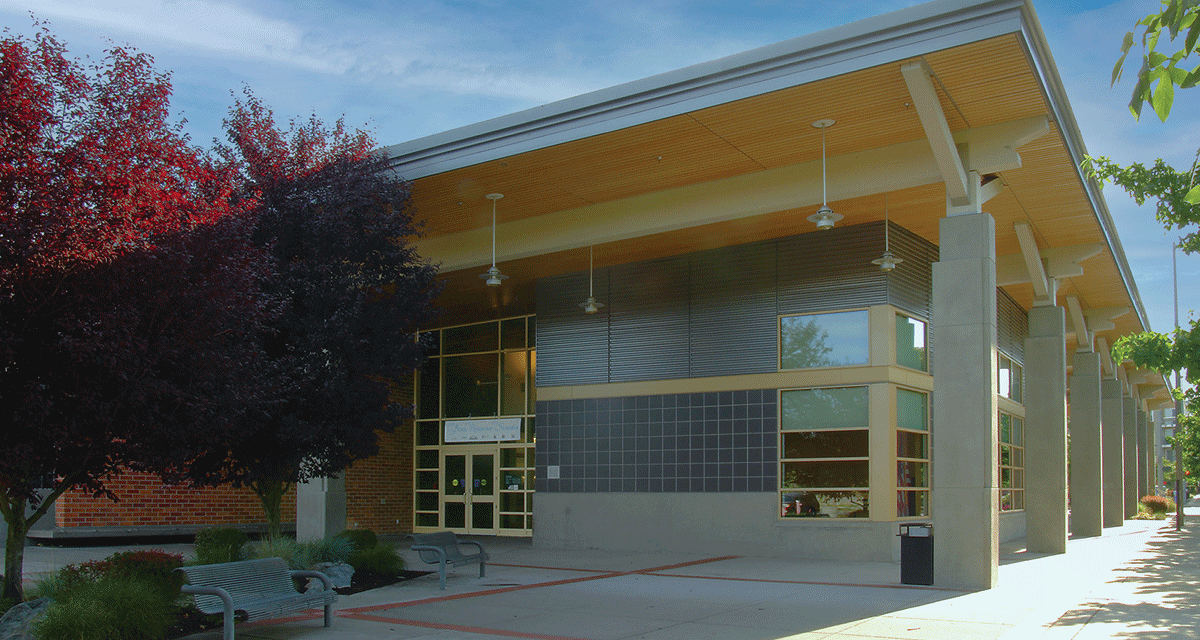
Eastside Audubon is finalizing a new agreement with the Redmond Library to host our program nights which will provide a fixed, consistent location for our monthly events.
In May 2027, reviving an Eastside Audubon tradition, Andy McCormick and Jeremy Lucas will co-lead a trip to Malheur National Wildlife Refuge near Burns, Oregon.
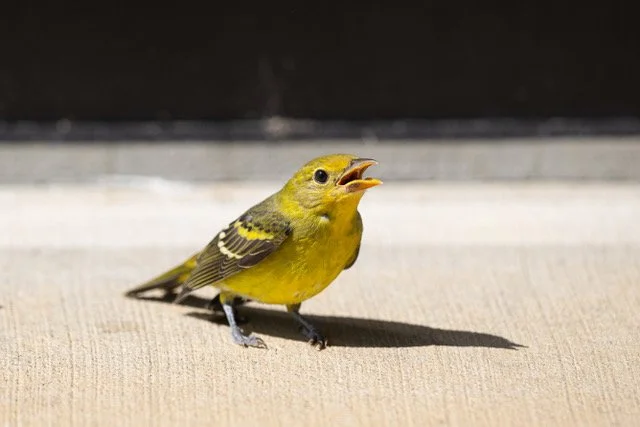
Brian Elieson won the Eastside Audubon Photo of the Month award for August for his photograph of a Western Tanager.
Pilchuck Audubon Society, our neighbor chapter to the north, needs help. Executive Director Brian Zinke is still short about a dozen volunteers for Swifts Night Out on Saturday, September 12, and he is asking Eastside Audubon members to fill the gap.
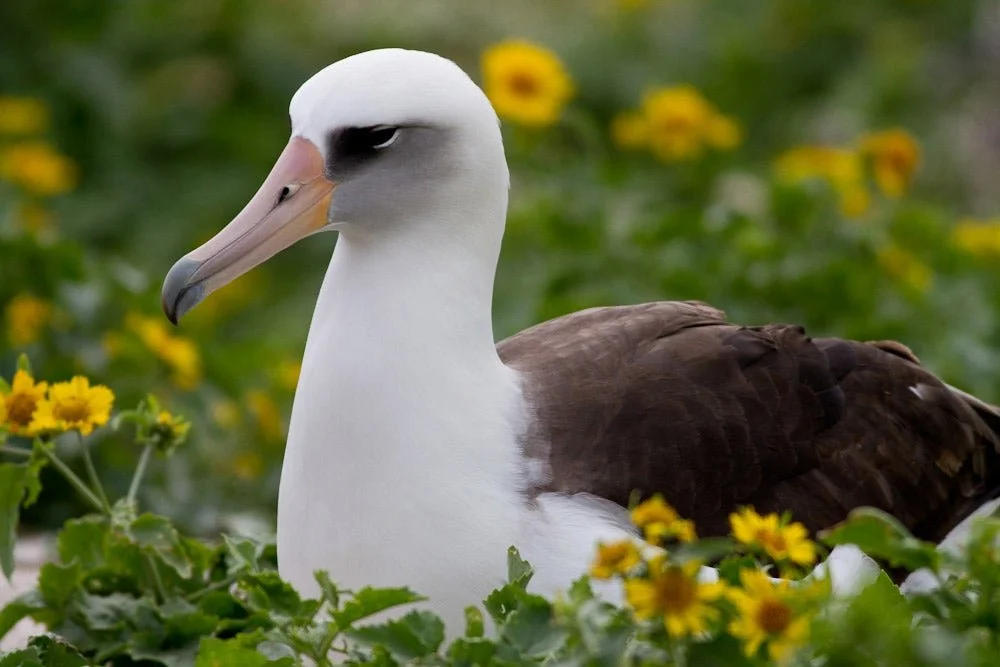
A winter visitor to Washington waters, the Laysan Albatross can be seen during pelagic birding trips and also rarely from land.
Ian Shultz, Eastside Audubon's Youth Board Member, has won the Youth category in the U.S. and Canada contest of the 2026 Audubon Photography Awards.
How land is developed shapes which birds stay and which ones go. That is the finding of a new University of Washington study, published in Scientific Reports.
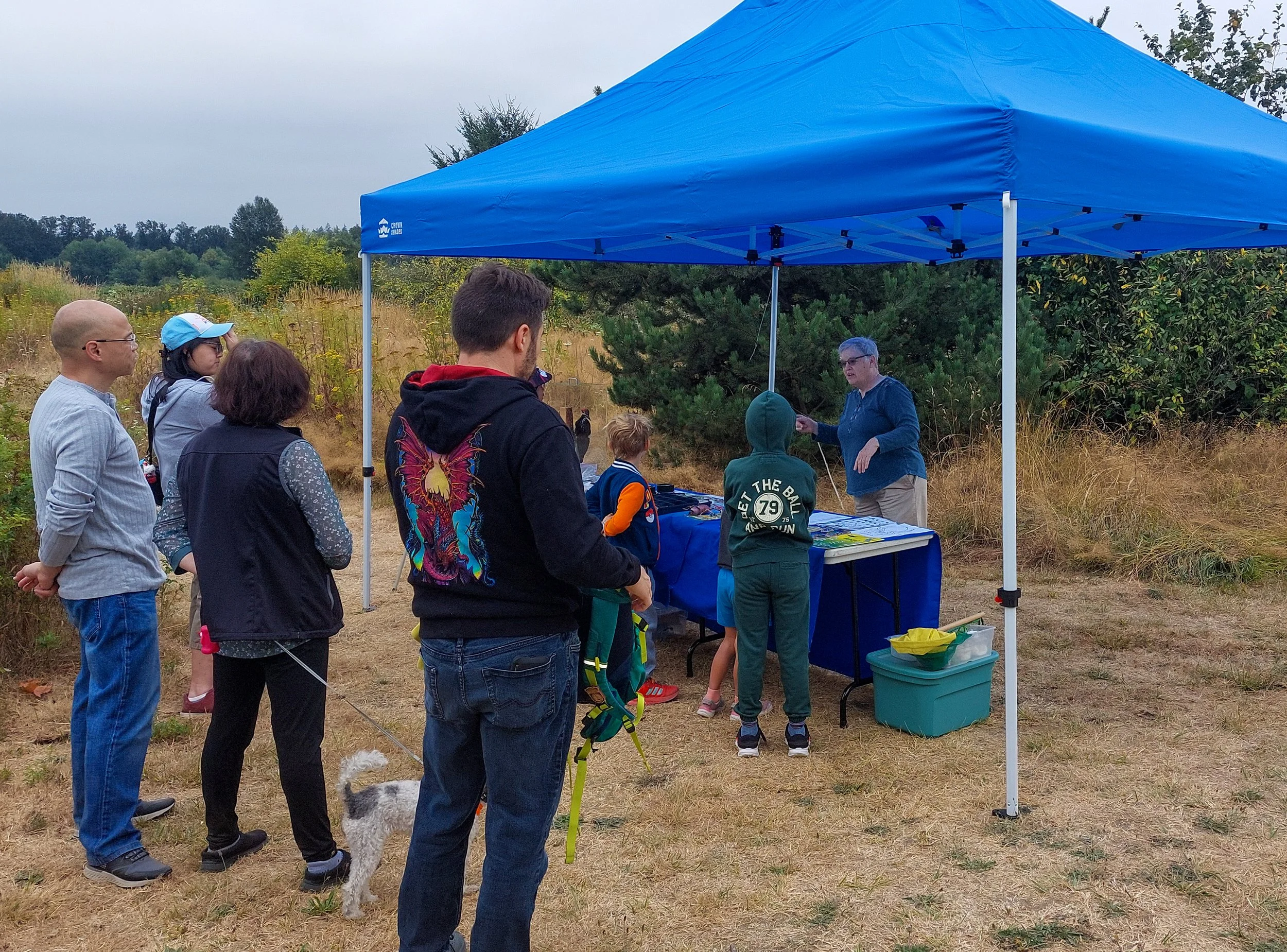
Kids had fun exploring bugs near the Audubon kiosk at Marymoor Park on Saturday, August 15, at a Kids' Bug Class led by Eastside Audubon members Sue Andersen and David Droppers.
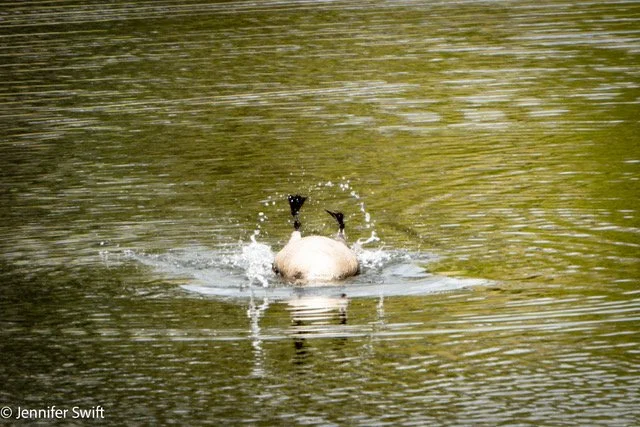
Jennifer Swift won the Eastside Audubon Photo of the Month award for July for her photograph of a Canada Goose splashing in a pond at Issaquah Highlands Dahlia Park.
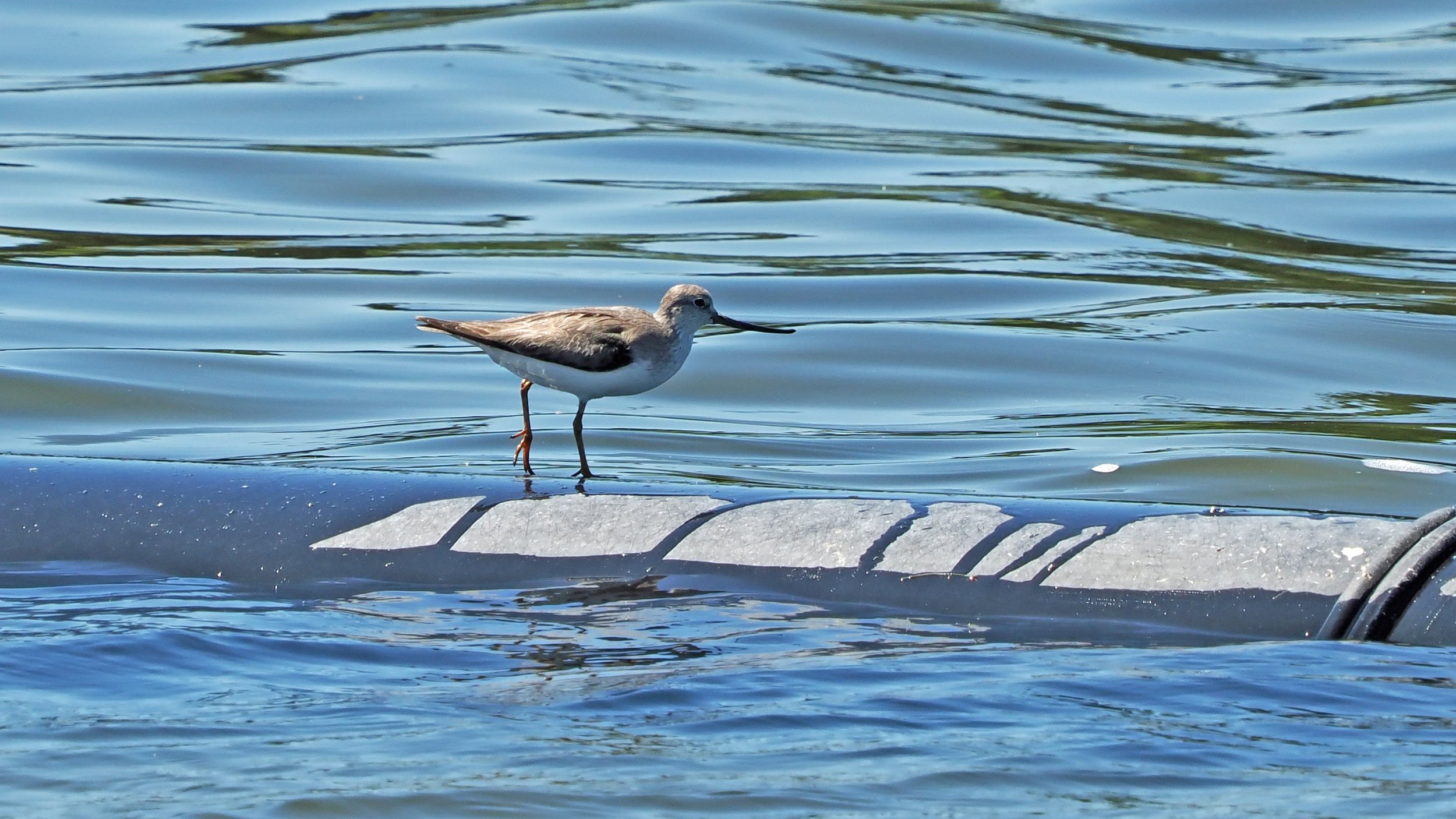
The Terek Sandpiper is a bit larger than the Spotted Sandpiper and bobs its tail in a similar fashion, but the resemblance ends there.
If you’ve ever wondered whether that patch of native red-flowering currant in your yard is really helping birds, the Cornell Lab of Ornithology has made it easier to learn how—and to make your garden even more useful to wildlife.
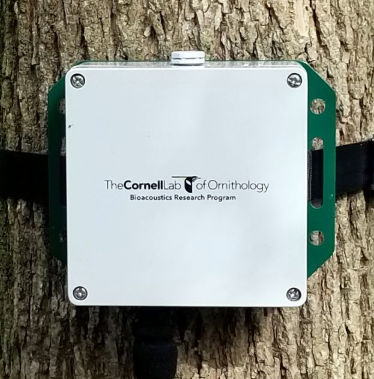
Eastside Audubon is looking for volunteers to help keep our bioacoustic monitoring sites running at Marymoor Park and in Fall City. Each month, the role involves visiting the site, retrieving the recorded data, and refreshing the Swift One recording unit.
Somewhere this morning, a first-time birder opened the Merlin app, pointed a phone at a backyard tree, and learned the name of a song they'd heard their whole life. That moment is happening millions of times over. And it is why I am hopeful about Eastside Audubon.
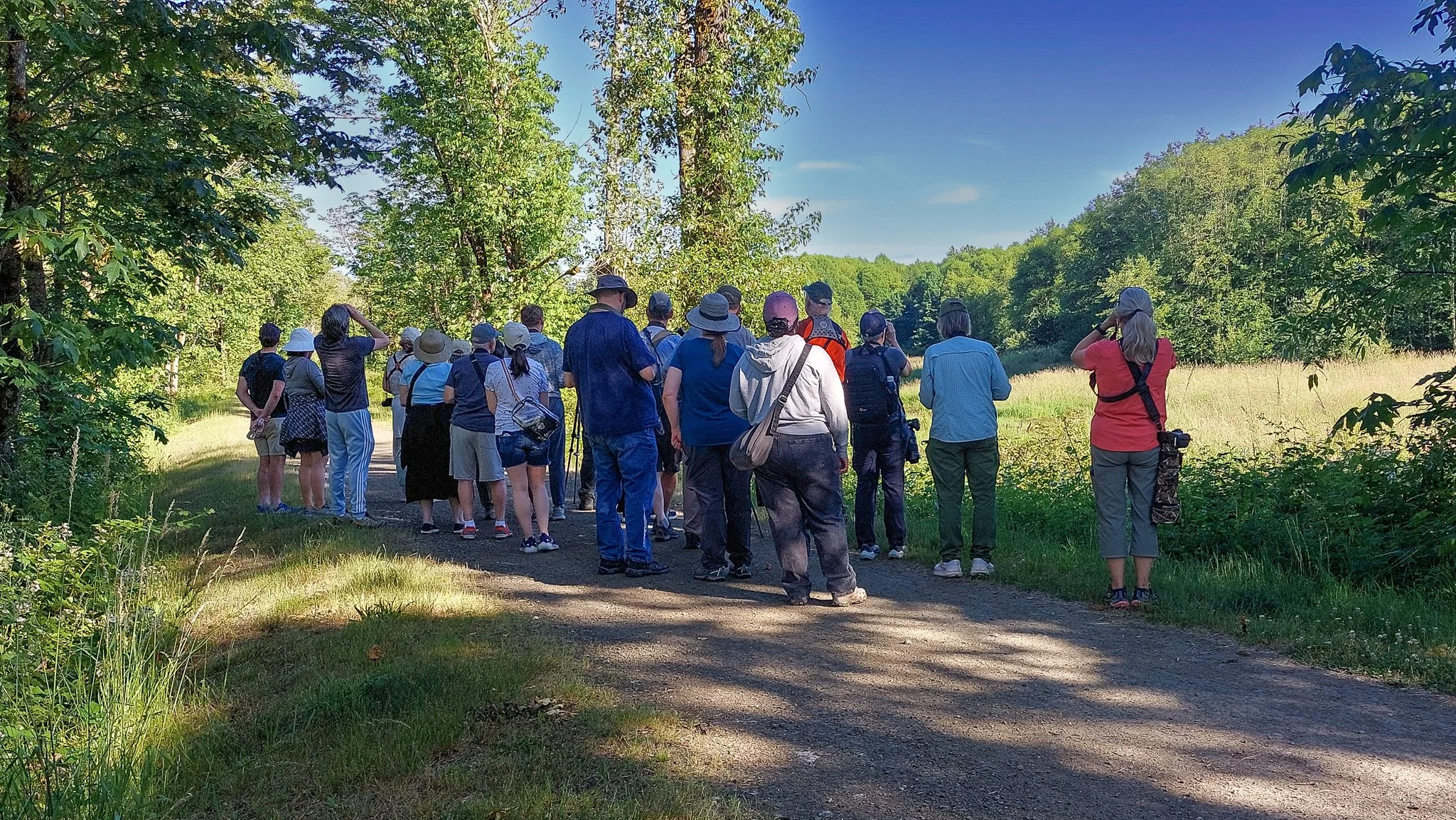
Eastside Audubon celebrated the summer solstice with back-to-back evening bird walks—our first since before COVID—and the weather couldn't have cooperated more.
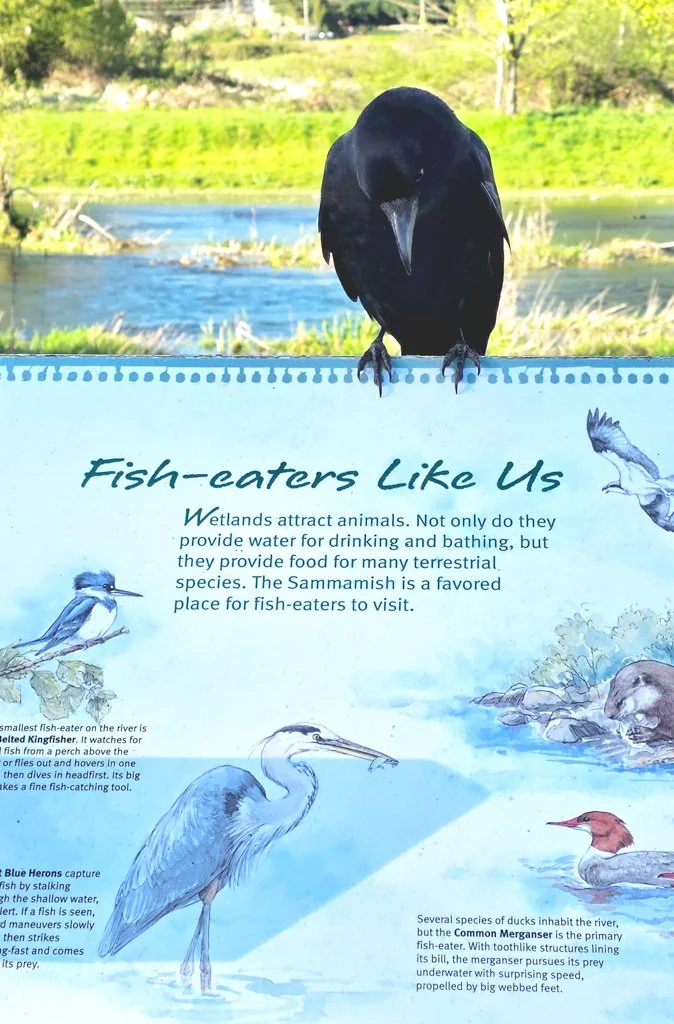
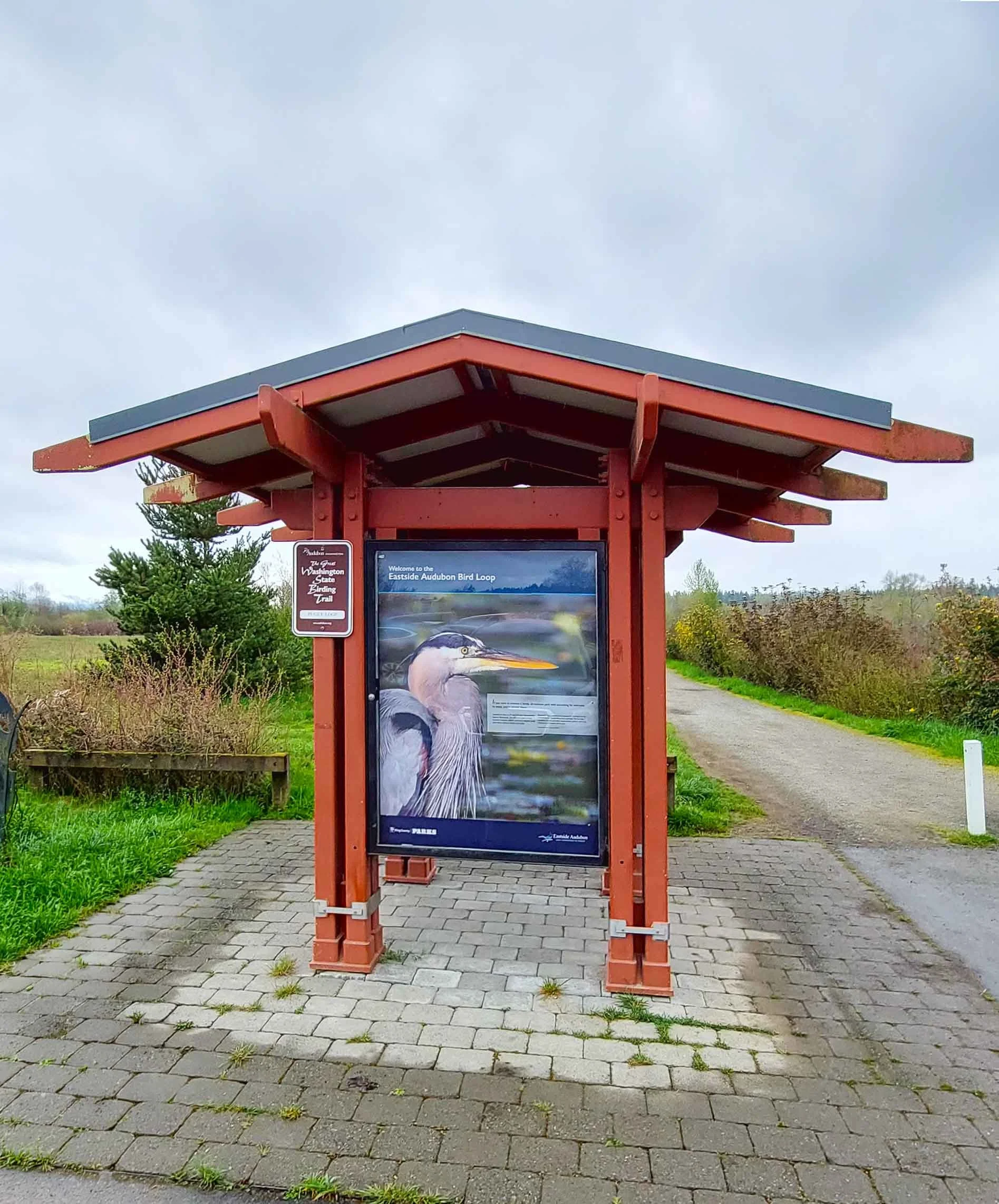
The EAS interpretive kiosks at Marymoor Park have received a much-needed upgrade! All eight kiosk panels have been updated with new interpretive signs. This is a welcome update from our previous signage that hasn’t seen a renovation in many years.
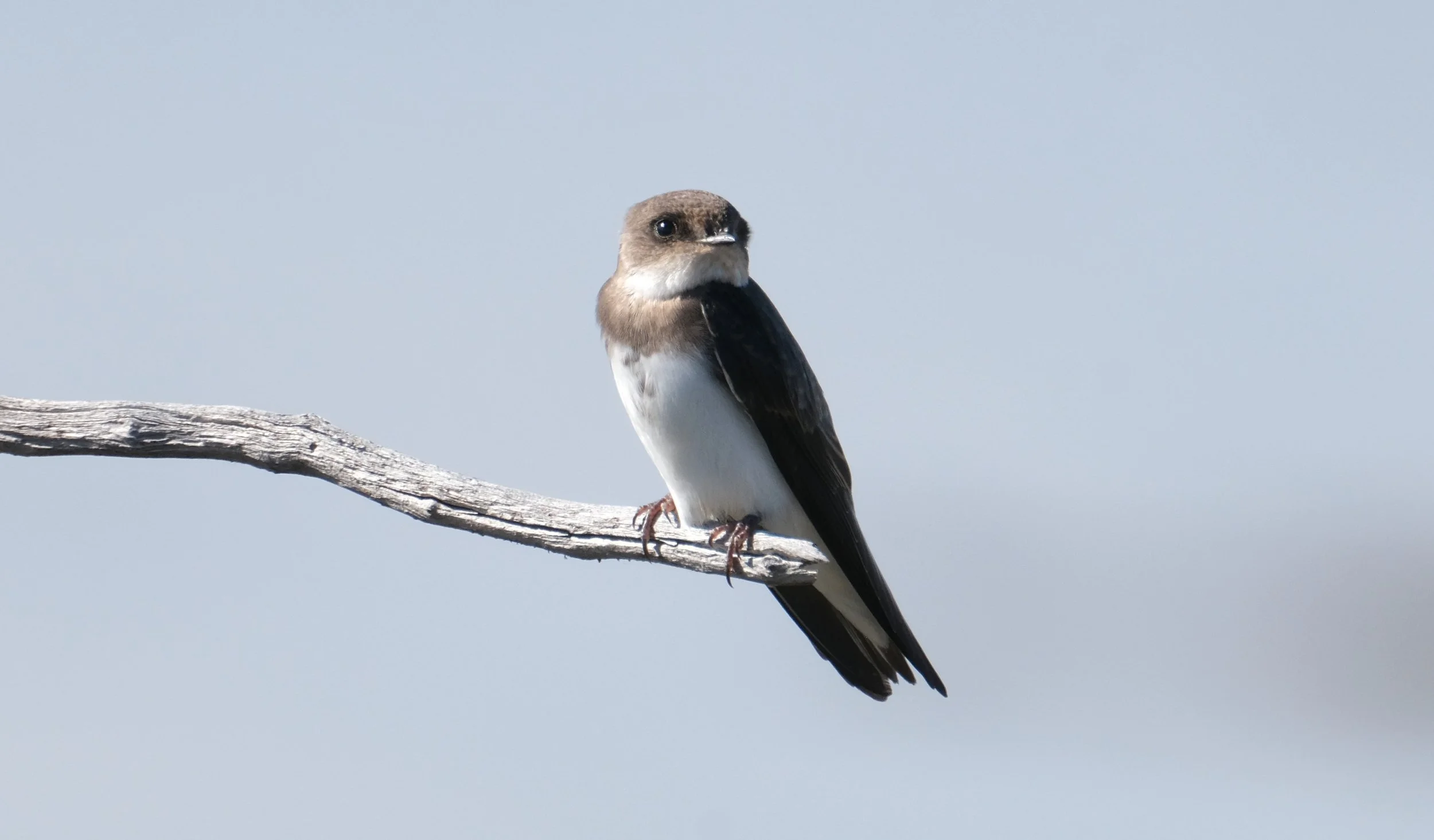
With a worldwide distribution the Bank Swallow is the world’s most cosmopolitan swallow. In Washington, it nests in the sandy banks of rivers and streams.
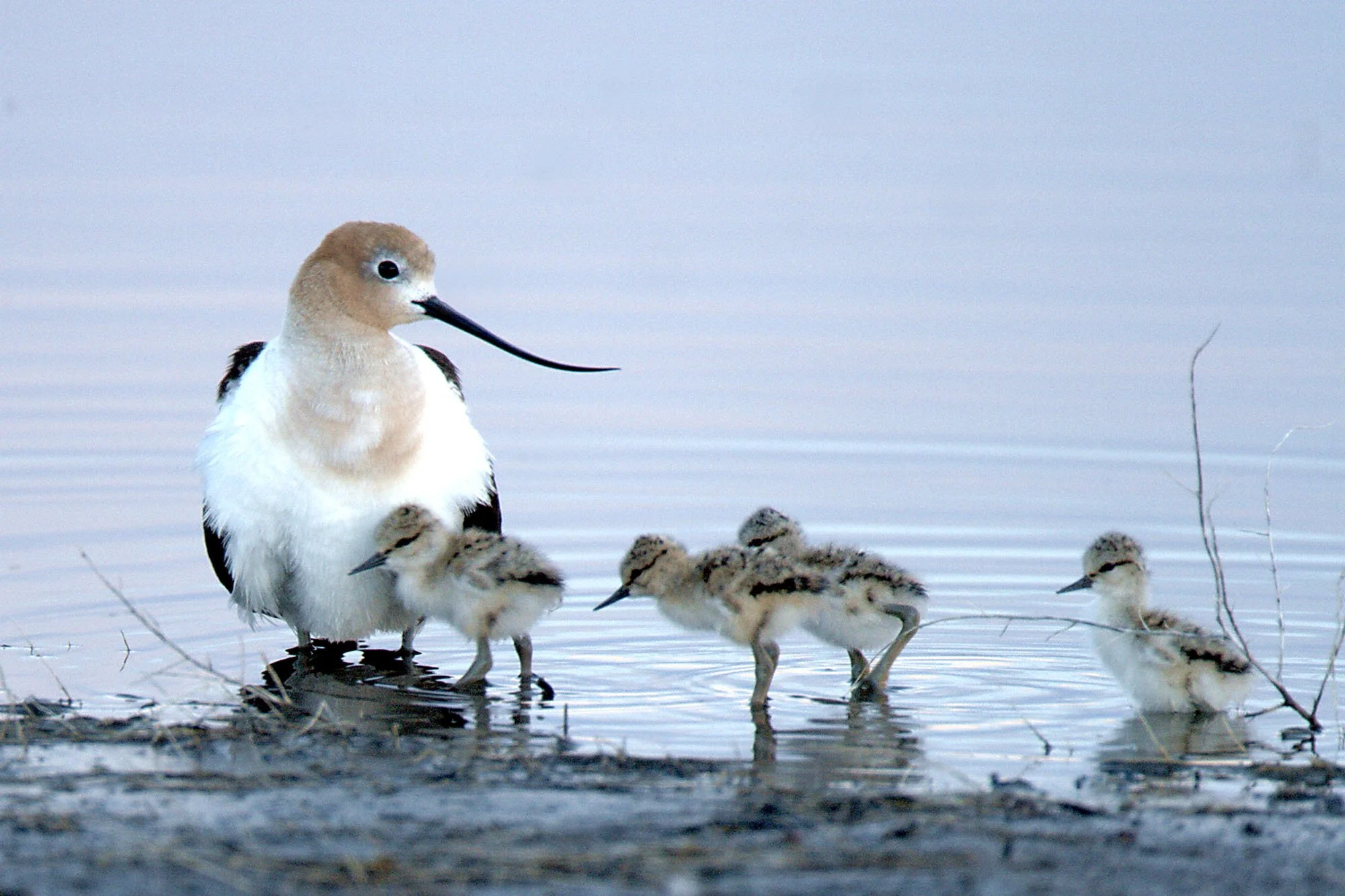
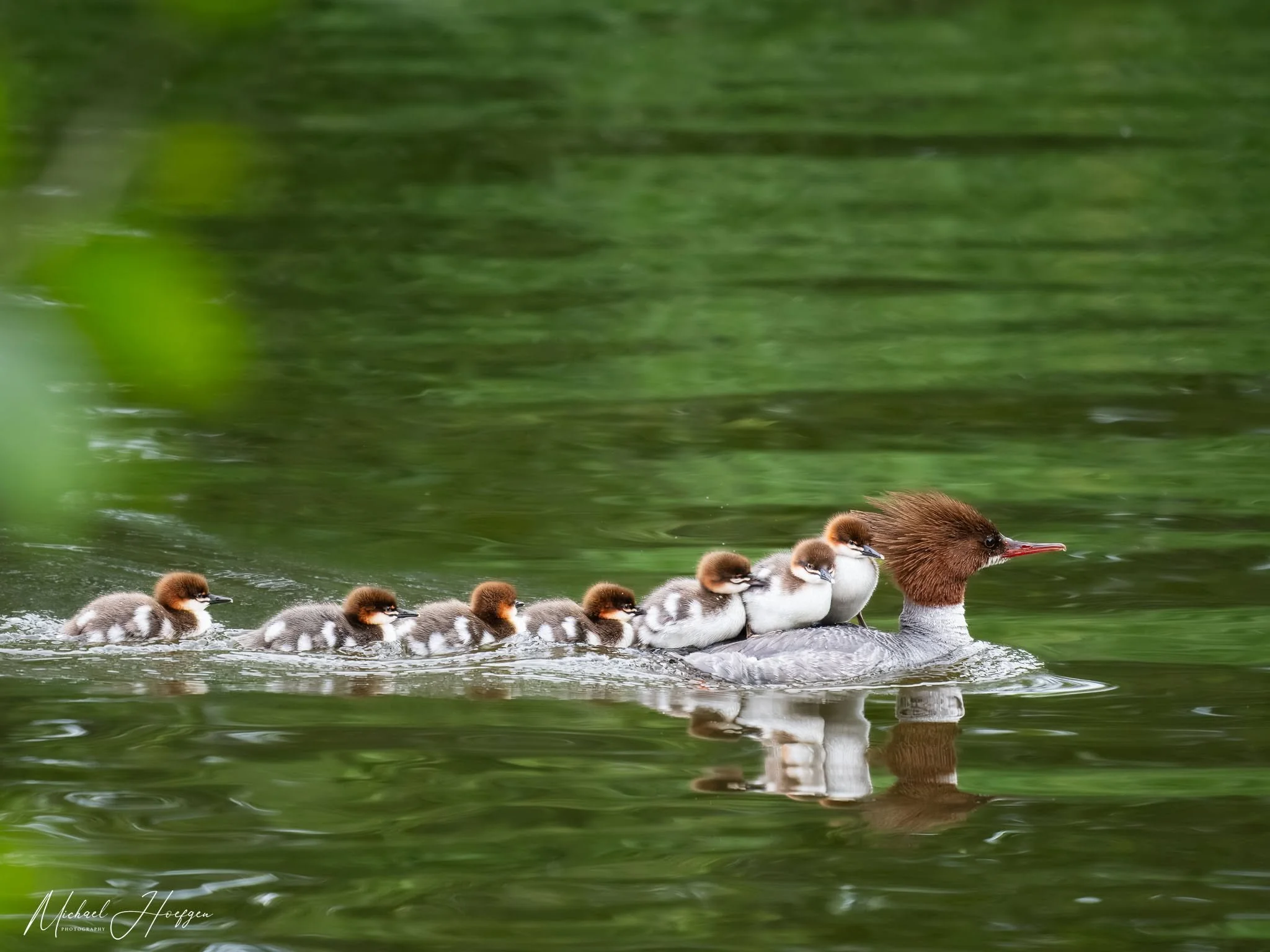
Mike Hoefgen won the Eastside Audubon Photo of the Month award for June for his photograph of a female Common Merganser carrying her chicks on her back. This marked one of several times Mike earned the honor.
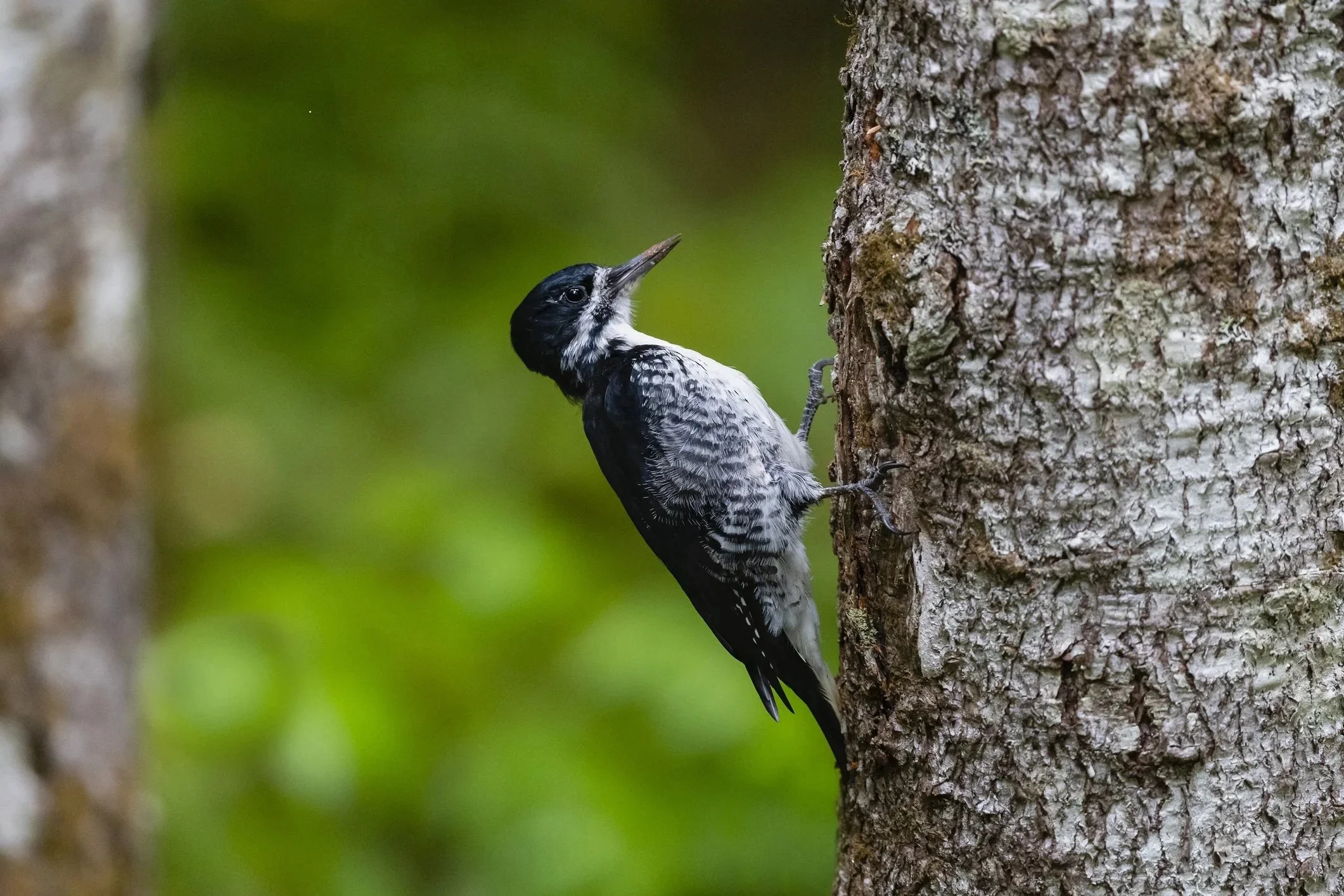
A resident of high elevation habitats in the Cascades and northeastern Washington, the Black-backed Woodpecker is a sought-after bird in recently burned areas.