The black speck was far out on the horizon but through binoculars I was able to see that it was a California Condor moving in our direction as we stood on the South Rim of the Grand Canyon. In a matter of seconds it approached us at a speed of nearly fifty miles per hour without flapping its wings. Riding the wave of the thermal coming up from the hotter air deep in the canyon the condor suddenly arrived in full view above us and then banked to slow enough to make three circles over the gathering crowd.
Horned Grebe
Chestnut-backed Chickadee
Pileated Woodpecker
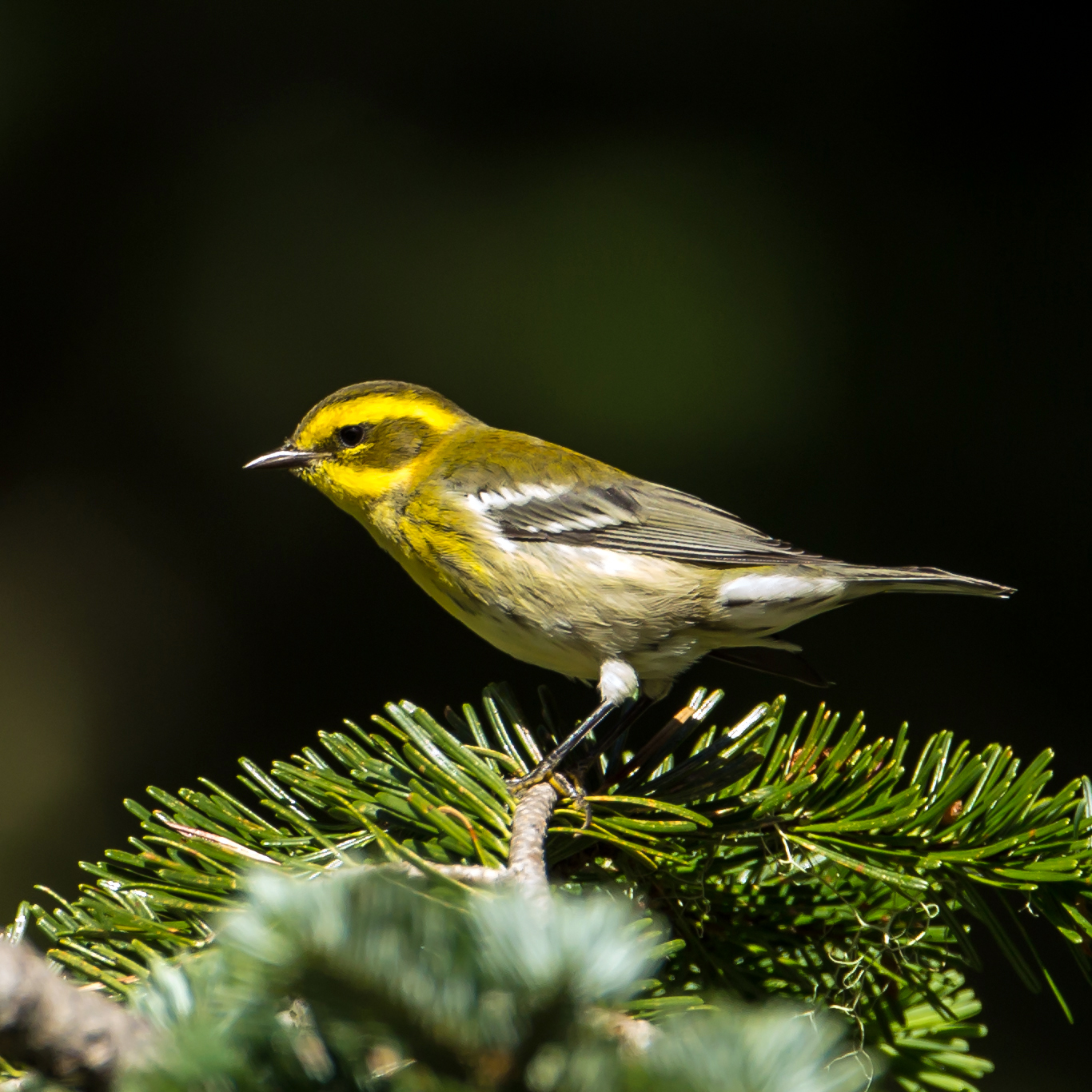
Townsend's Warbler
Northern Shrike
Like a sentinel, as described by its species name excubitor, Latin for watchman or guard, the Northern Shrike surveys its territory from a low perch on a shrub or post. With precision it hunts using a direct flight toward its prey-a small rodent or another bird-and dispatches it quickly by “pounding its bill into the base or back of the skull and the using its hooked bill severing the spinal cord between the neck vertebrae as falcons do” (Sibley).
Black-bellied Plover
White-tailed Kite
Bald Eagle
Eared Grebe
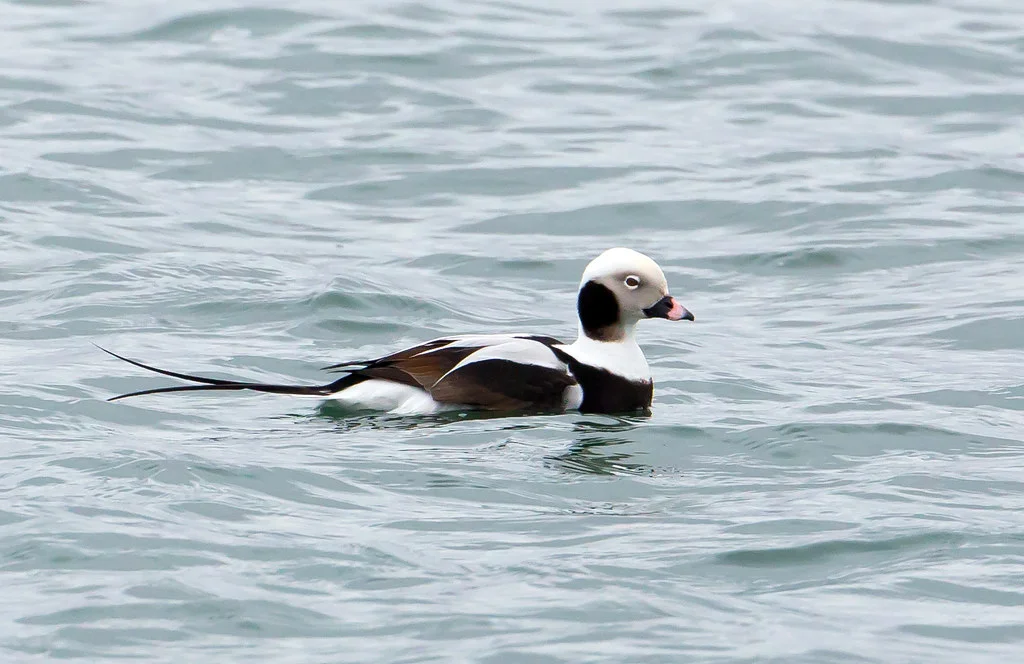
Long-tailed Duck
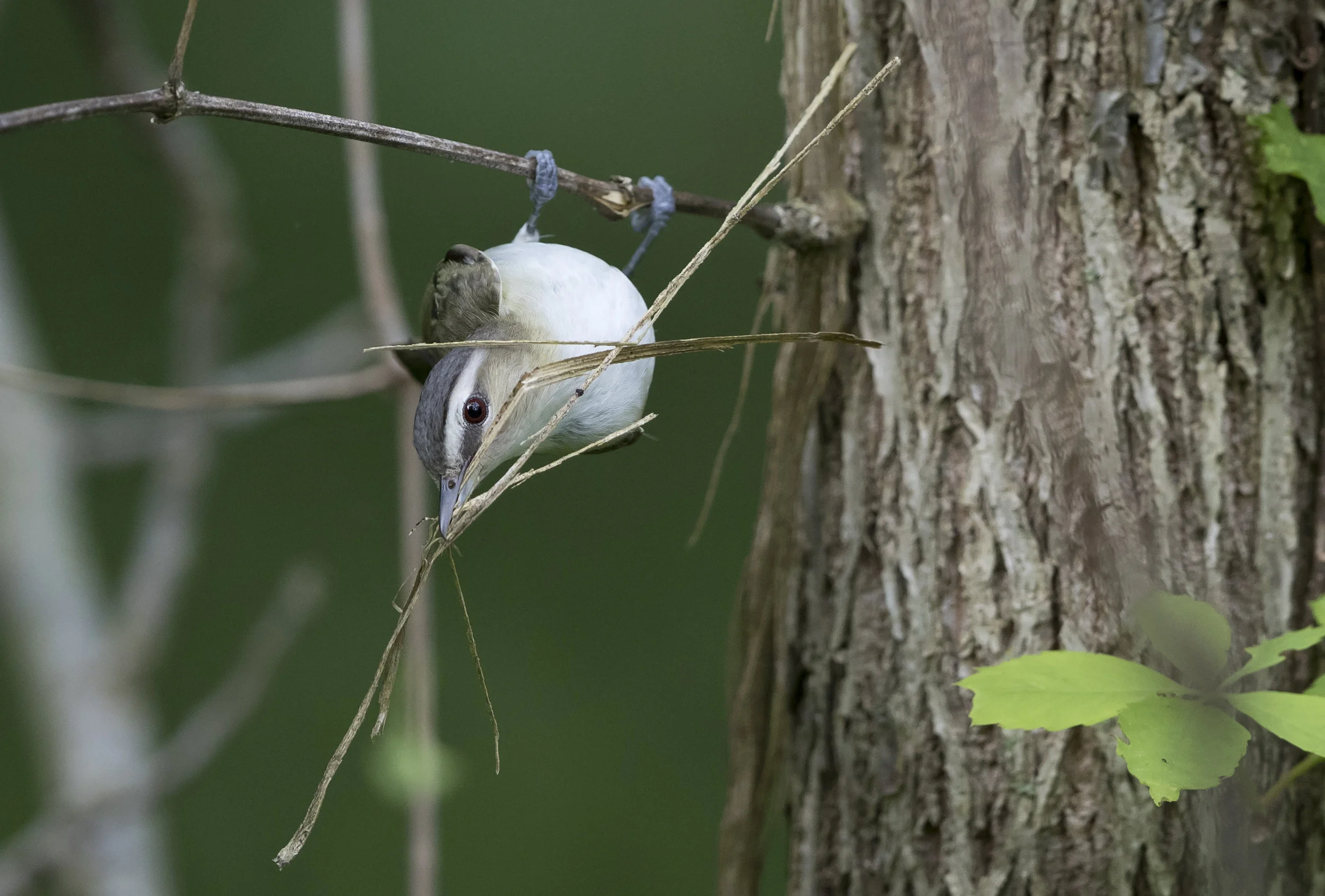
Red-eyed Vireo
The Red-eyed Vireo (REVI) is about 6” long with a wingspan of 10”. The genus name Vireo (VIH-ree-oh) is from Latin vireo, a kind of bird; according to some , the green finch; virere, to be green. The species name olivaceus (ol-ih-VAY-see-us) is Latin, olive-colored; green obscured with neutral tint.