Formerly listed as two separate species, Myrtle Warbler S.c.coronata in Eastern North America and Audubon’s Warbler S. c. auduboni in the west, the Yellow-rumped Warbler is the most widespread and most common warbler in North America.

Every December, thousands of volunteers across North America head outdoors to count birds — helping scientists understand how our feathered neighbors are doing. The Audubon Christmas Bird Count (CBC) isn’t just a fun birding day — it’s the oldest and largest citizen science project in the world, and it depends entirely on volunteers like you.
Eastside Audubon is now accepting applications for two funding opportunities supporting local conservation and education efforts.
The Puget Sound Seabird Survey is looking for birders in King County to join this established Community Science program.
In the quiet of the woods the bubbling song of the Ruby-crowned Kinglet erupted, and the high trill of the Brown Creeper signaled its presence. The hormonal drive to breed had birds singing regardless of the weather.
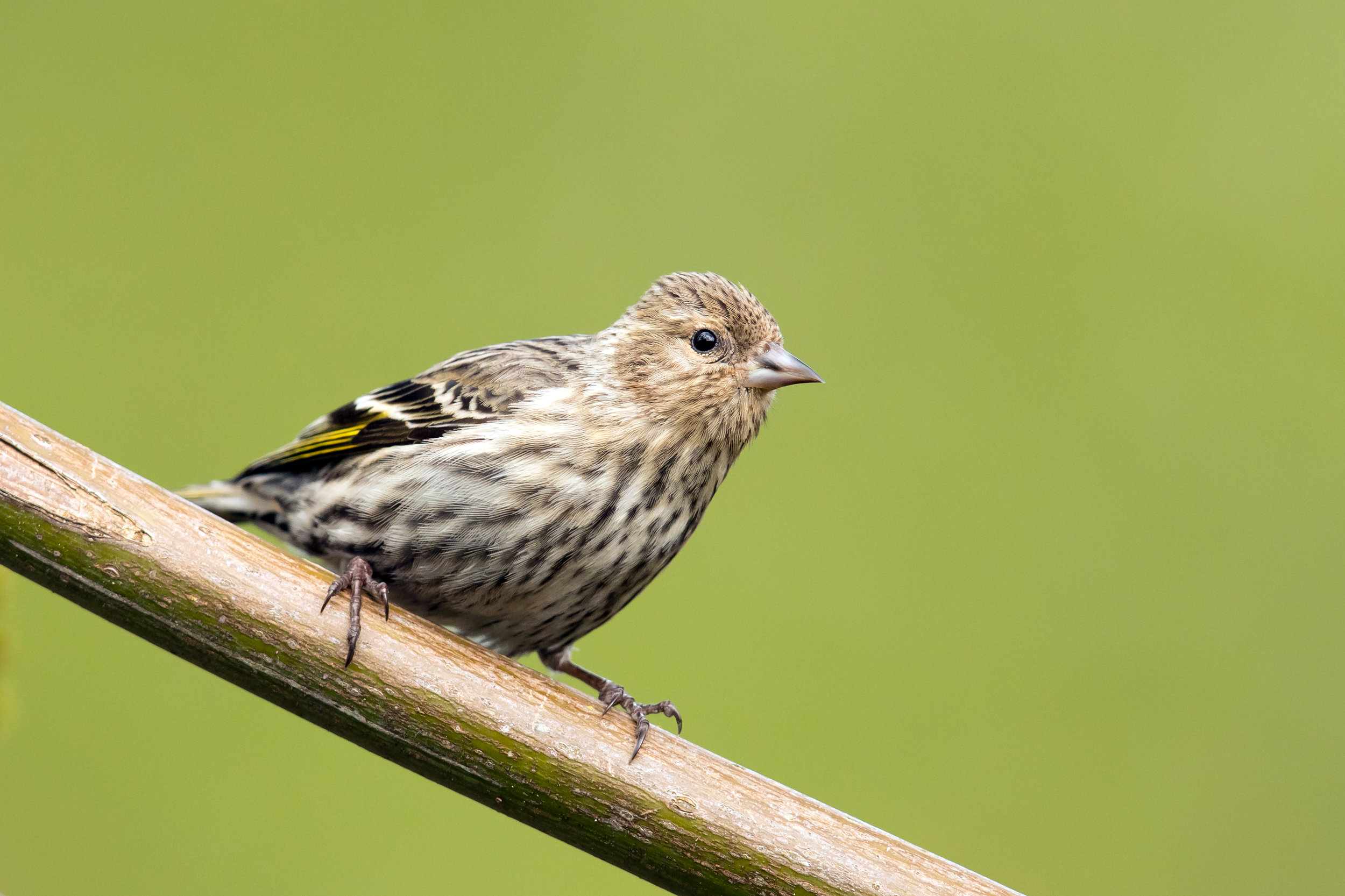
The genus name Carduelis (Card-dyou-EE-liss) is from the Latin carduus, thistle (eats seeds of thistle). The species name pinus (PINE-us) is Latin for pine which is its common name apparently from the siskin of Europe, a yellow-green finch. Siskin apparently is derived from Danish sidsken or Swedish siska, a “chirper.”
The Hermit Warbler is considered a specialist in living in the canopy of 200 foot tall conifers. In western Washington it populates Douglas firs, western hemlocks, and western red cedars. It winters in pine-oak forests in Mexico and in California it enjoys Jeffrey, pondersosa, and lodgepole pines. It forages so high that it is often heard long before it is seen.
The life cycle of Swainson’s Hawks provides an excellent illustration of the importance of having a hemispheric perspective on bird conservation. Using the Central and Pacific flyways this western North American species makes an annual round trip migration of about 12,000 miles to and from southern South America and the Argentine pampas.
Wilson’s Warbler is often found along wooded streams, in low shrubs, willows and alders (Kaufman). It sings loudly and regularly and can lead a birder trying to see it on a frustrating chase through dense underbrush, but persistence will pay off with a view of this lovely bird. Its song is more of a descending chatter chi chi chi chi chi chet chet, than a song.
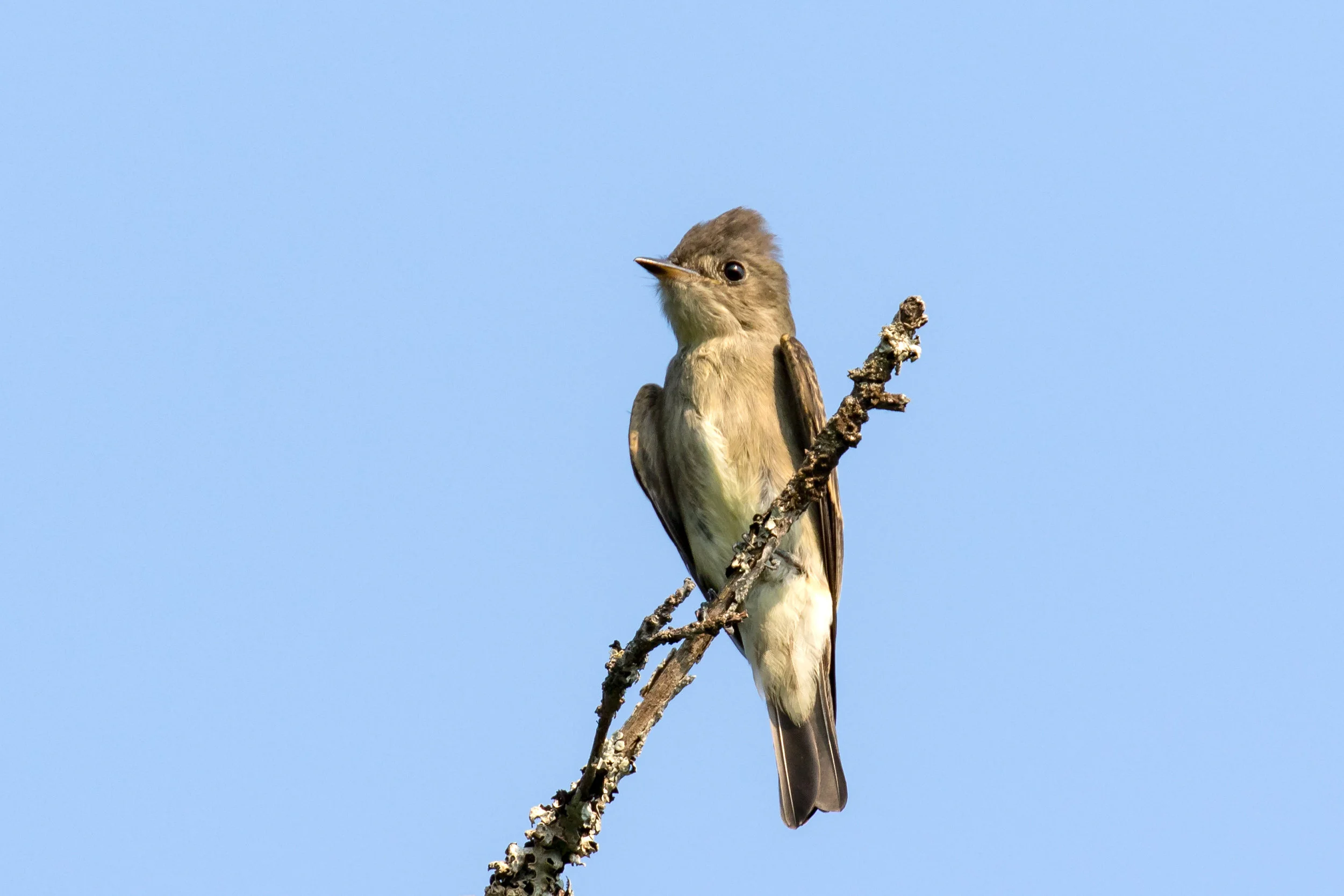
A bird of open woodlands, the Western Wood-Pewee is widespread in the western United States as far east as the western side of the plains states. It is most often seen calling pee-er from an open branch from which it will also sally forth to catch a variety of insects including flies, bees, wasps, beetles, moths and bugs (Bemis & Rising).