
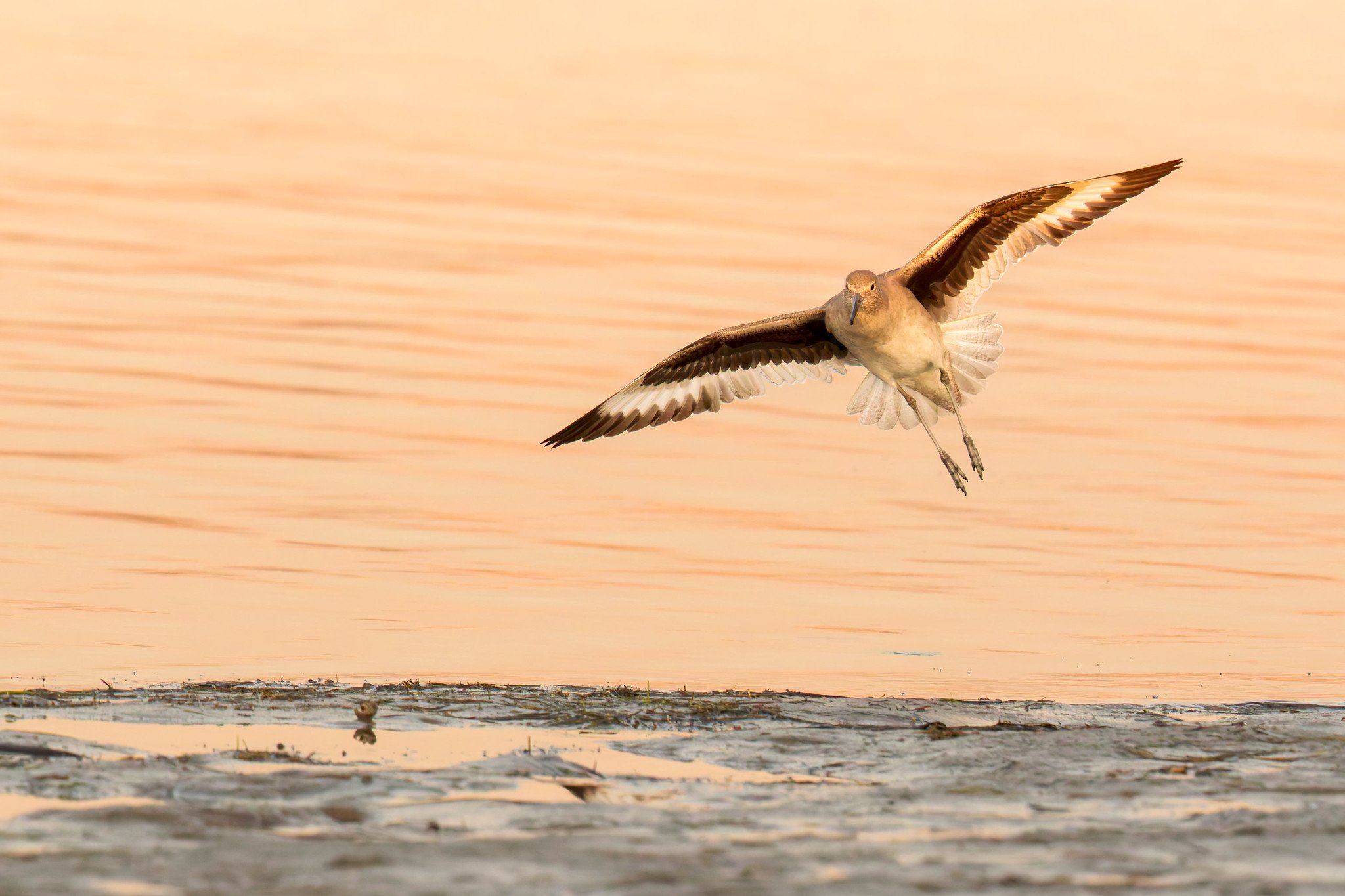
Hello Western Willet, Northern Yellow Warbler, American Egret, and Western Marsh Wren
Western Willet by Mick Thompson
This was a busy year for the American Ornithological Society’s Checklist of North American Birds. In October, the AOS journal Ornithology published the 67th Supplement to the checklist which included splits for some prominent bird species.
Splits Within the Americas
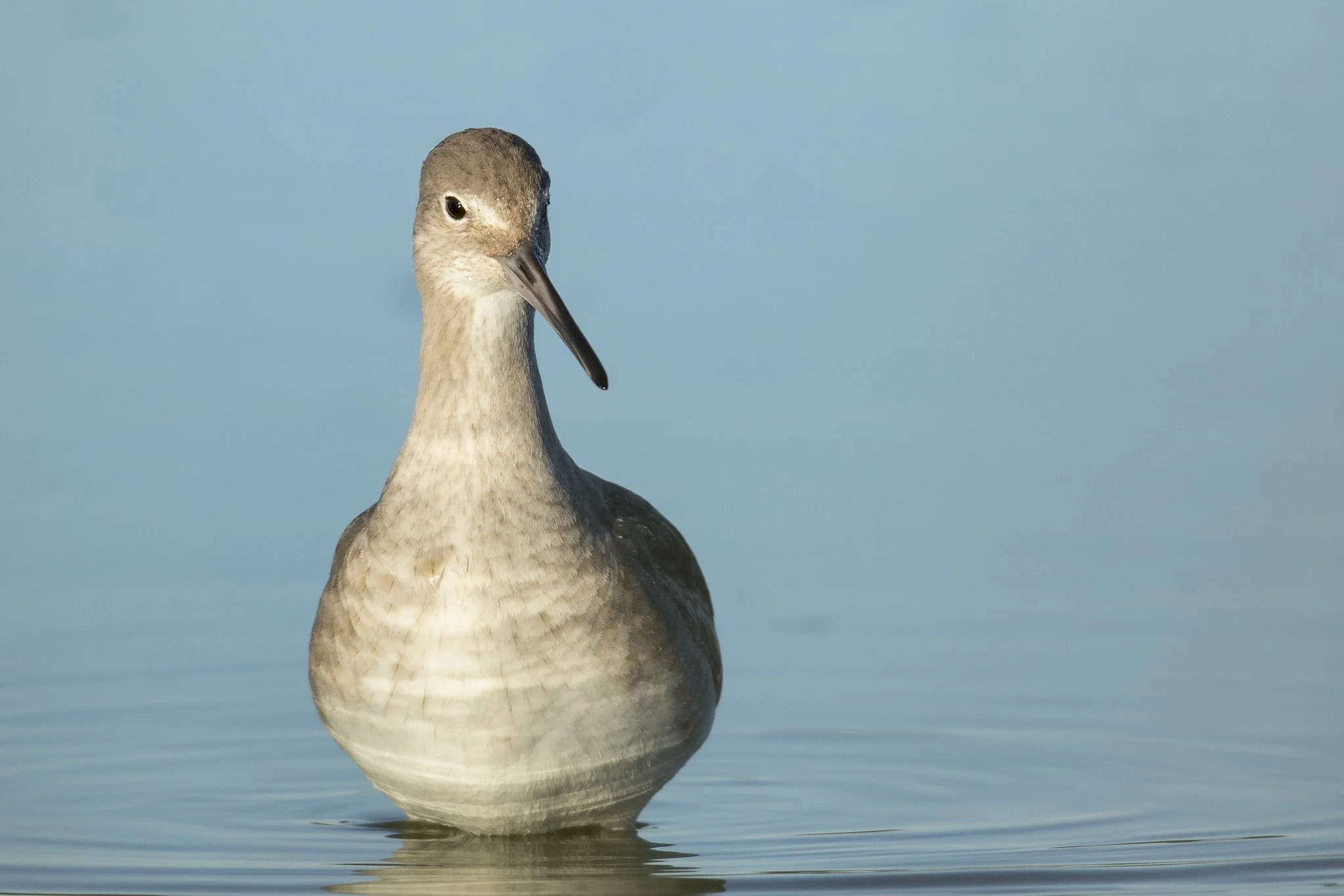
WILLET: Birders have been aware for many years that the Willet has had western and eastern forms that were considered subspecies. Both have now been elevated to full species status and given new names. The Prairie Willet (Tringa inornata) is now the western species, and the Saltmarsh Willet (Tringa semipalmata) is the eastern species. The new names will be helpful to birders to reflect the differences in breeding habitat of these birds. Identifying them in the field may still present a challenge as they overlap in some southern states.
YELLOW WARBLER: The tropical sedentary Mangrove Yellow Warbler (Setophaga petechia) with its rusty red head has always looked different from Yellow Warbler in North America and this difference is now recognized officially as it will be a species unto itself and retain its name. The migrating species is now known as Northern Yellow Warbler (Setophaga aestiva).
MARSH WREN: The vocalizations of the newly separated Eastern Marsh Wren (Cistothorus palustris) and Western Marsh Wren (Cistothorus paludicola) have been recognized as unique to each new species. Even in areas where the two species overlap in Saskatchewan, they rarely hybridize and keep their own songs. Listen carefully before identifying these wrens.
BARN OWL: The northern subspecies of Barn Owl has been split from the three South American subspecies and all four have been elevated to full species status. The North American species is now known as American Barn Owl (Bubo virginianus), and it will retain its former scientific name.
Splits Across the Globe
Because of long distances between the breeding ranges of some birds and the lack of contact between groups, the American Ornithological Society also makes decisions regarding the species status of similar birds on different continents.
WHIMBREL: The Western Hemisphere populations that breed in Canada and Alaska are now known as Hudsonian Whimbrel (Numenius hudsonius). Those which breed in Eurasia and Africa will now be named Eurasian Whimbrel (Numenius phaeopus). This split was based on differences in courtship displays, morphology (form and appearance), and genetics.
GREAT EGRET: The Western Hemisphere species is now the American Egret (Ardea egretta), and the Eastern Hemisphere bird is the Great White Egret (Ardea alba) retaining the original scientific name. This split took into consideration different vocalizations, the changes in color to soft-parts (in this case the area near the bill) during breeding, and plume structure.
You can read about these, and other decisions made by the North American and South American Classification Committees at the American Ornithological Society website. Each year these committees entertain proposals for changing the taxonomic classification of birds as we learn more about their evolution and genetic makeup. The study of birds is ongoing and opens new understanding into these amazing creatures.