
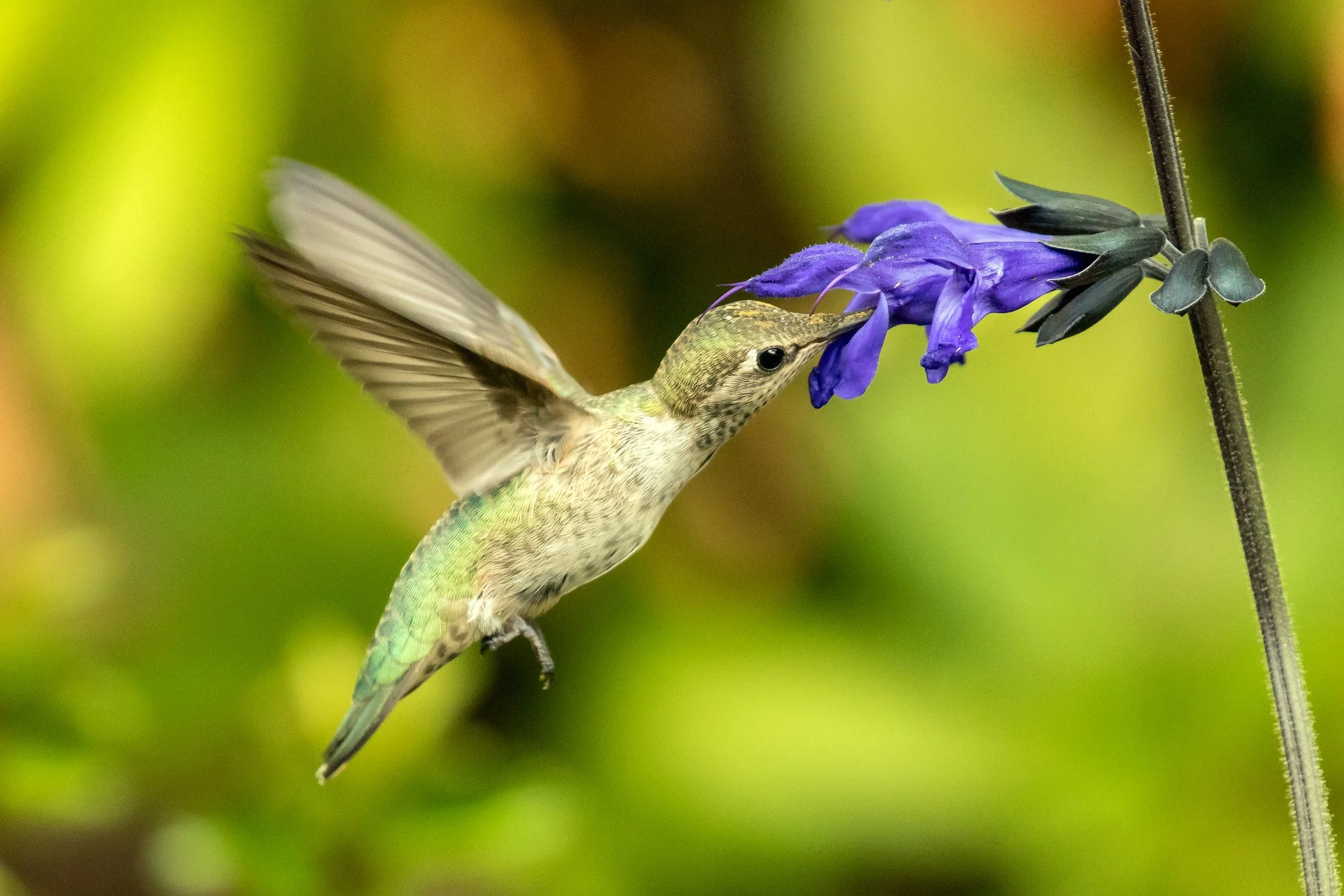
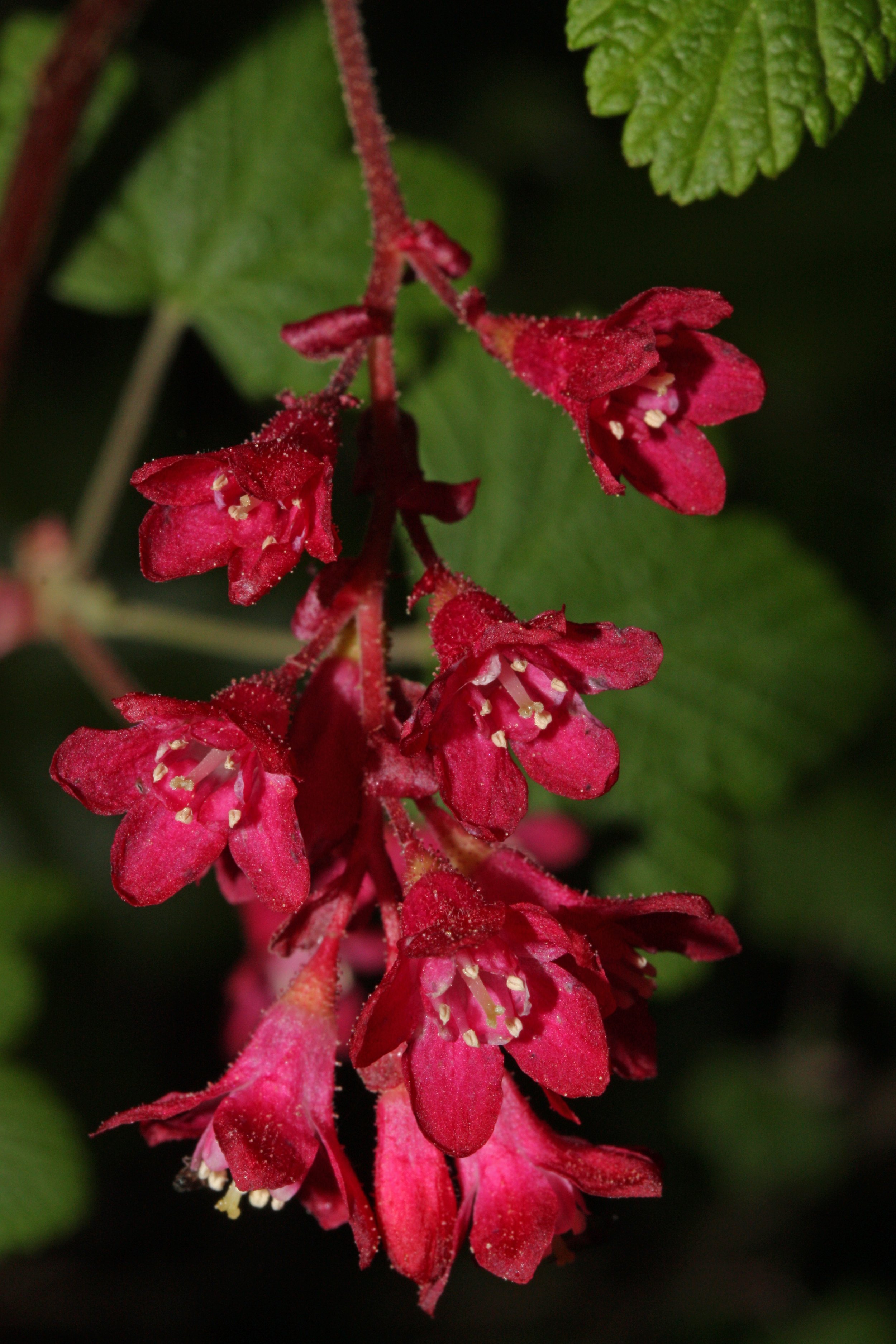
If you’ve ever wondered whether that patch of native red-flowering currant in your yard is really helping birds, the Cornell Lab of Ornithology has made it easier to learn how—and to make your garden even more useful to wildlife.
The Cornell Lab’s Garden for Birds program recently partnered with Homegrown National Park, a native-plant movement co-founded by entomologist Doug Tallamy and Michelle Alfandari. Its central idea is that yards and community spaces can help restore biodiversity beyond the boundaries of protected parks.
The partnership combines Garden for Birds’ free guidance and regional native-plant resources with Homegrown National Park’s Biodiversity Map. You can register a yard, patio, balcony or window box and add your efforts to a growing North American habitat-restoration movement involving more than 50,000 people.
Why does it matter? About 96% of North American terrestrial bird species rear their young at least partly on insects. Many plant-eating insects—especially caterpillars—can survive only on a limited range of plants with which they evolved. By planting locally native species, you help rebuild the food web that young birds depend upon. No acreage is required.
Planting for birds has long been a priority for many Eastside Audubon members. Look for more native-plant resources and tips tailored to the Puget Sound region from Eastside Audubon soon. In the meantime, consider adding your space to the Homegrown National Park Biodiversity Map.
Learn more: