Featured


Bird of the Month Archive
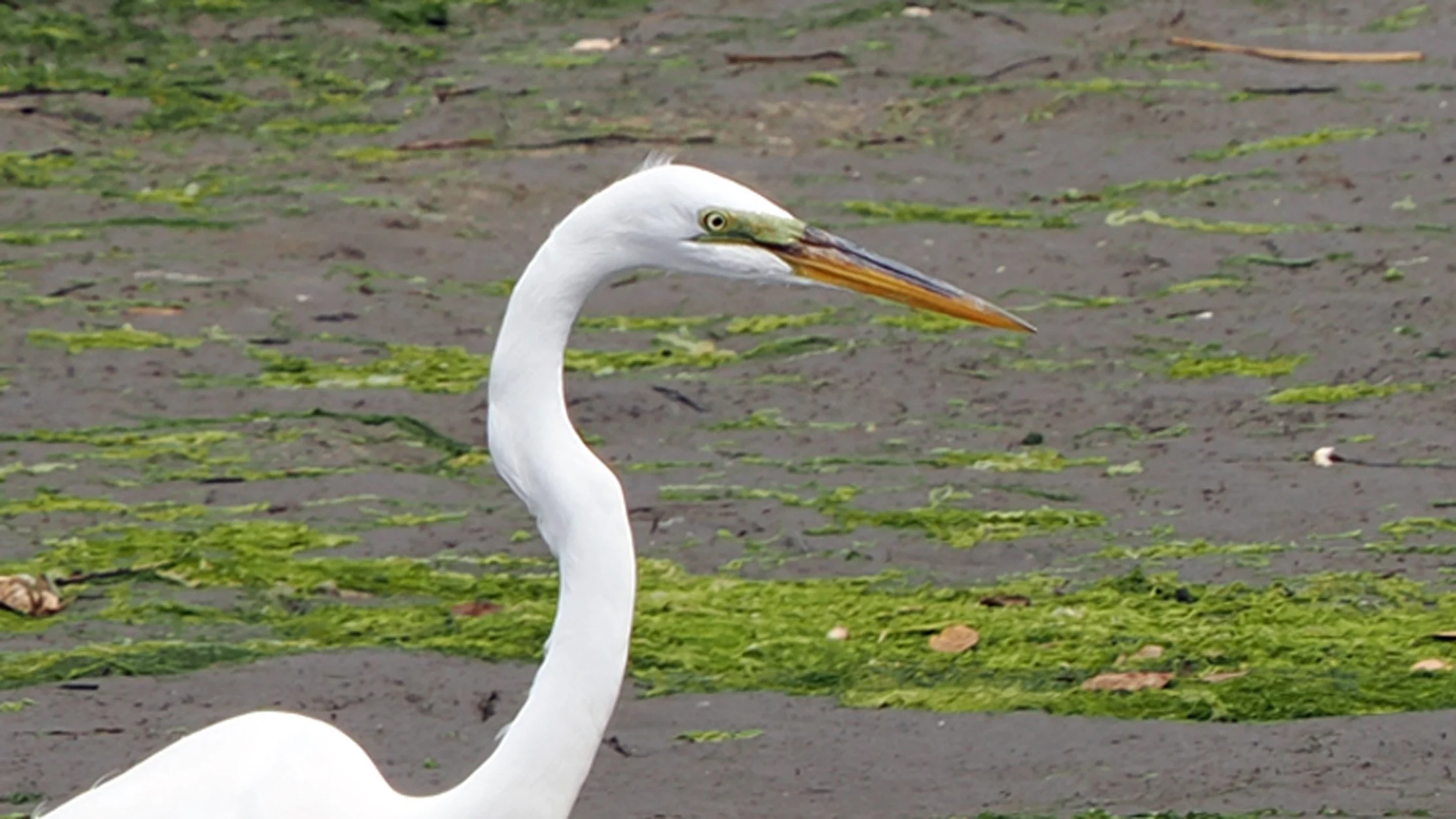
A breeding bird of the Potholes region, the Great Egret is Washington’s largest white heron.
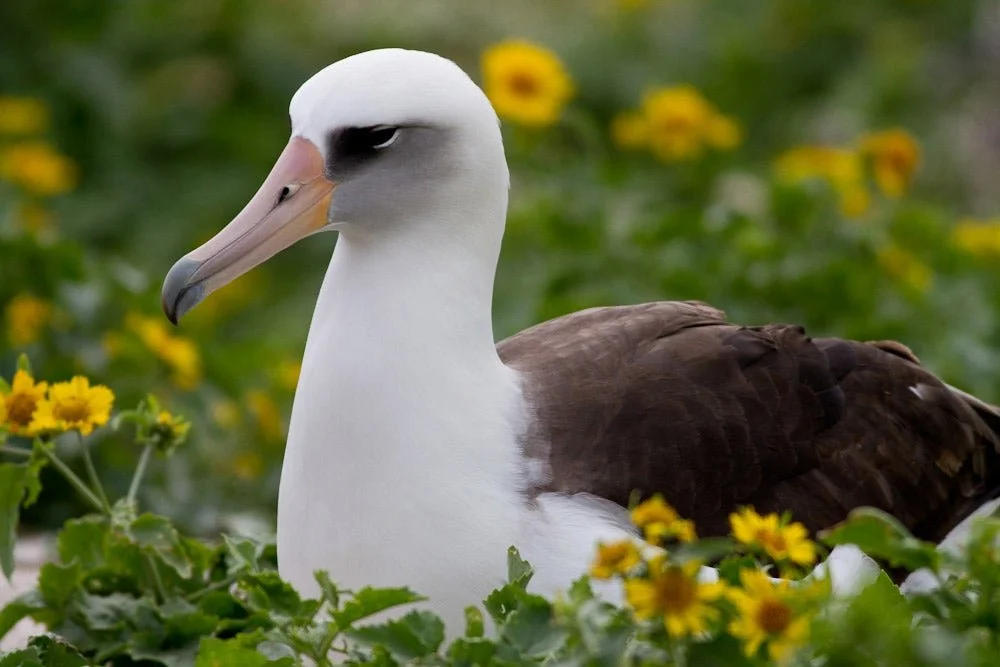
A winter visitor to Washington waters, the Laysan Albatross can be seen during pelagic birding trips and also rarely from land.
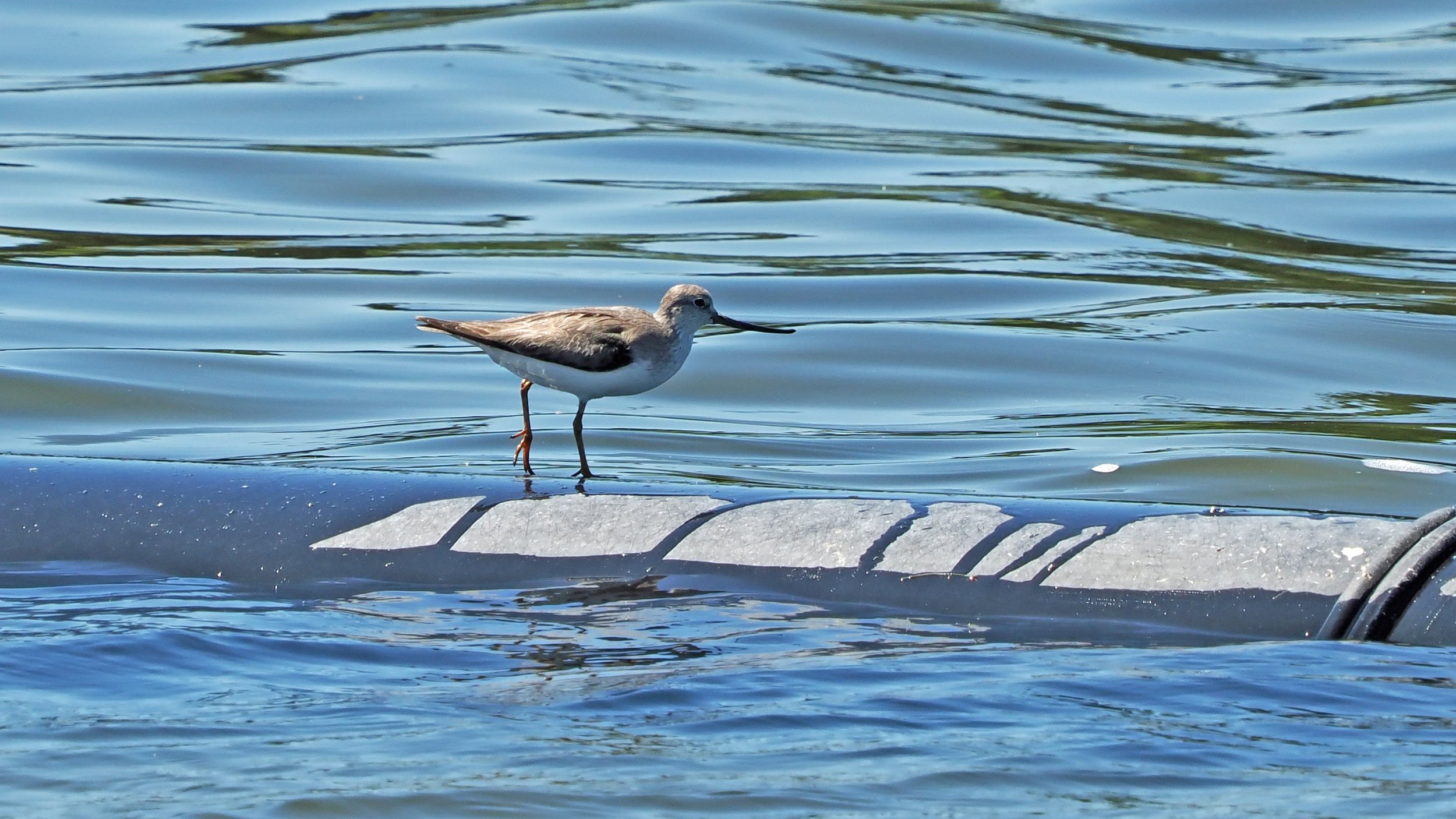
The Terek Sandpiper is a bit larger than the Spotted Sandpiper and bobs its tail in a similar fashion, but the resemblance ends there.
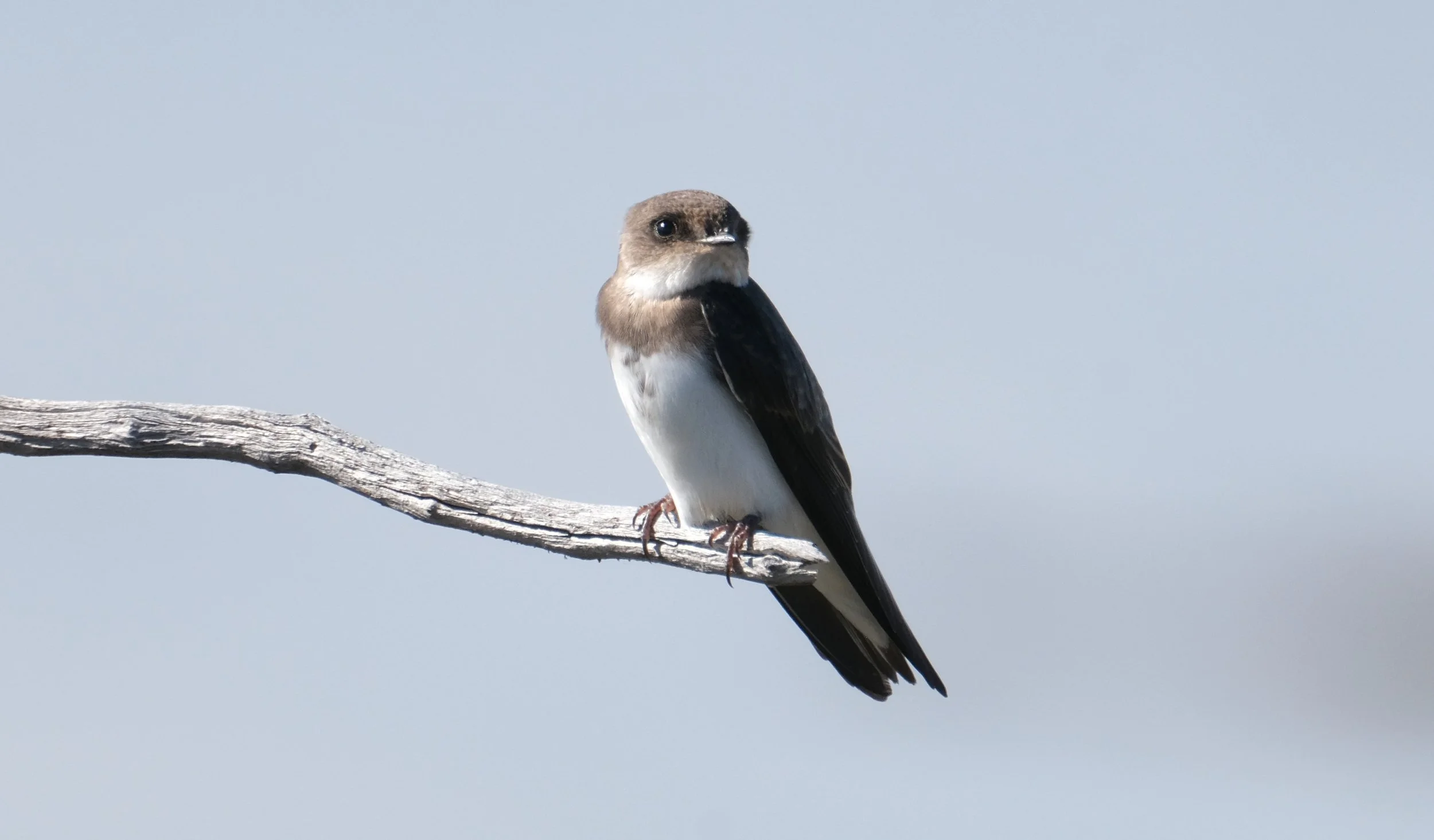
With a worldwide distribution the Bank Swallow is the world’s most cosmopolitan swallow. In Washington, it nests in the sandy banks of rivers and streams.
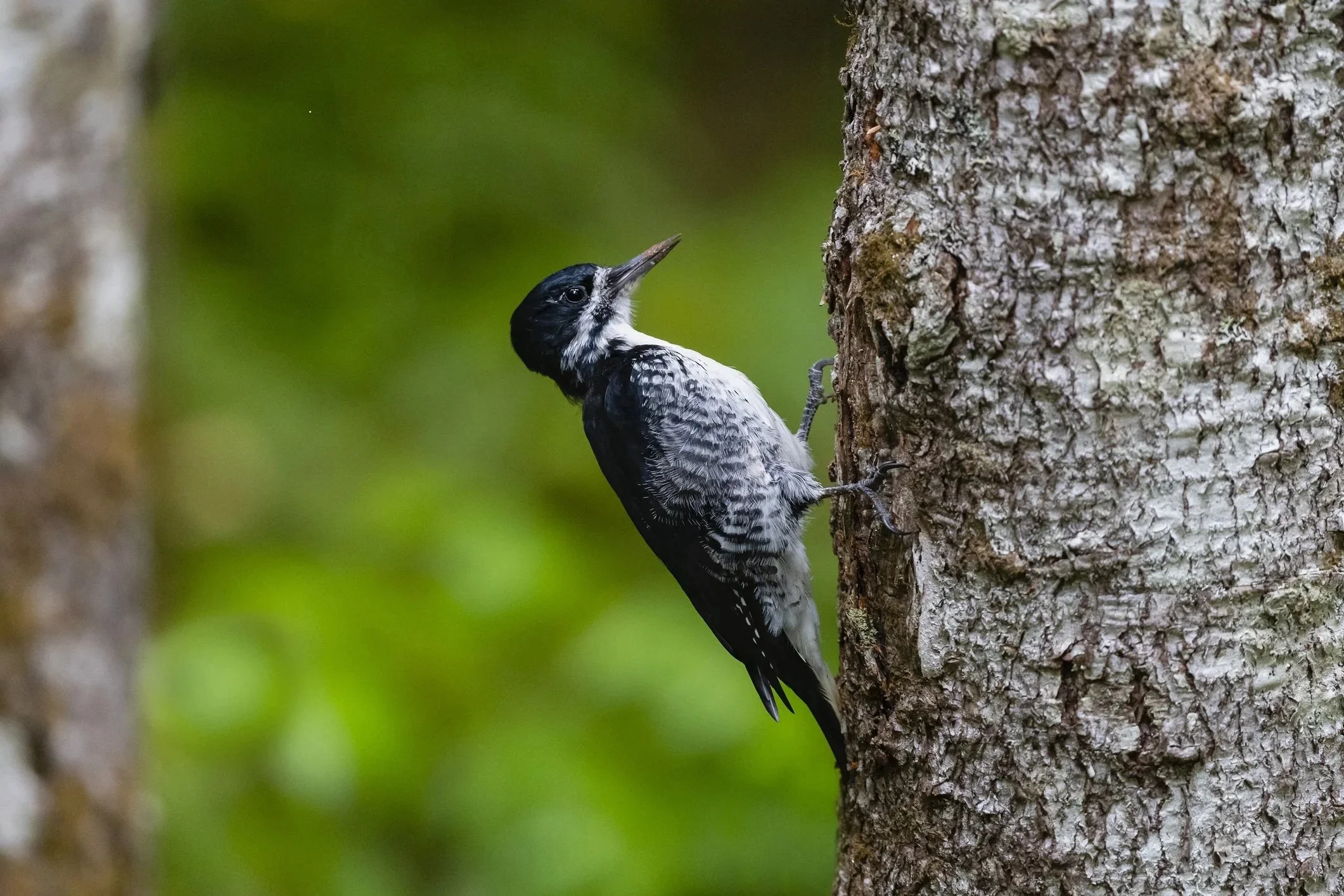
A resident of high elevation habitats in the Cascades and northeastern Washington, the Black-backed Woodpecker is a sought-after bird in recently burned areas.
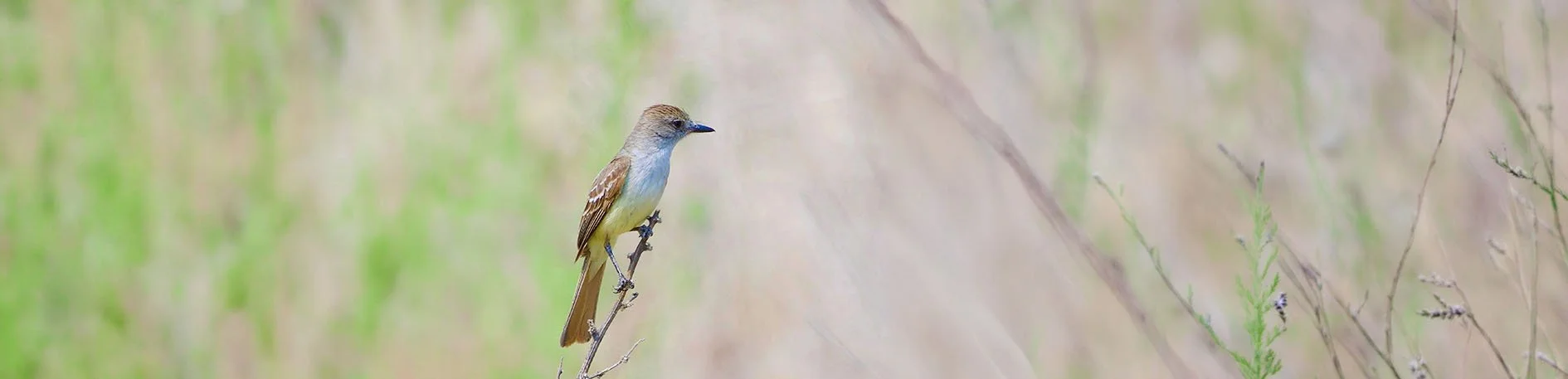
The Ash-throated Flycatcher is a unique bird in Washington. It is more typical of open country and dry shrub/steppe in the southwestern United States, and the northernmost extent of its range reaches the high desert in Oregon and the Columbia Plateau in south-central Washington.
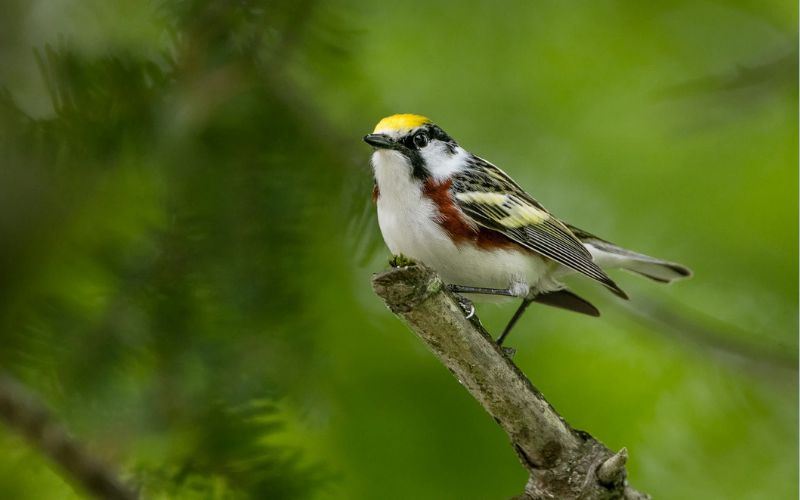
Observations of Chestnut-sided Warblers in Washington have increased in recent years, and the first record of their nesting was recorded in the state was in 2023. Will they nest again in our state?
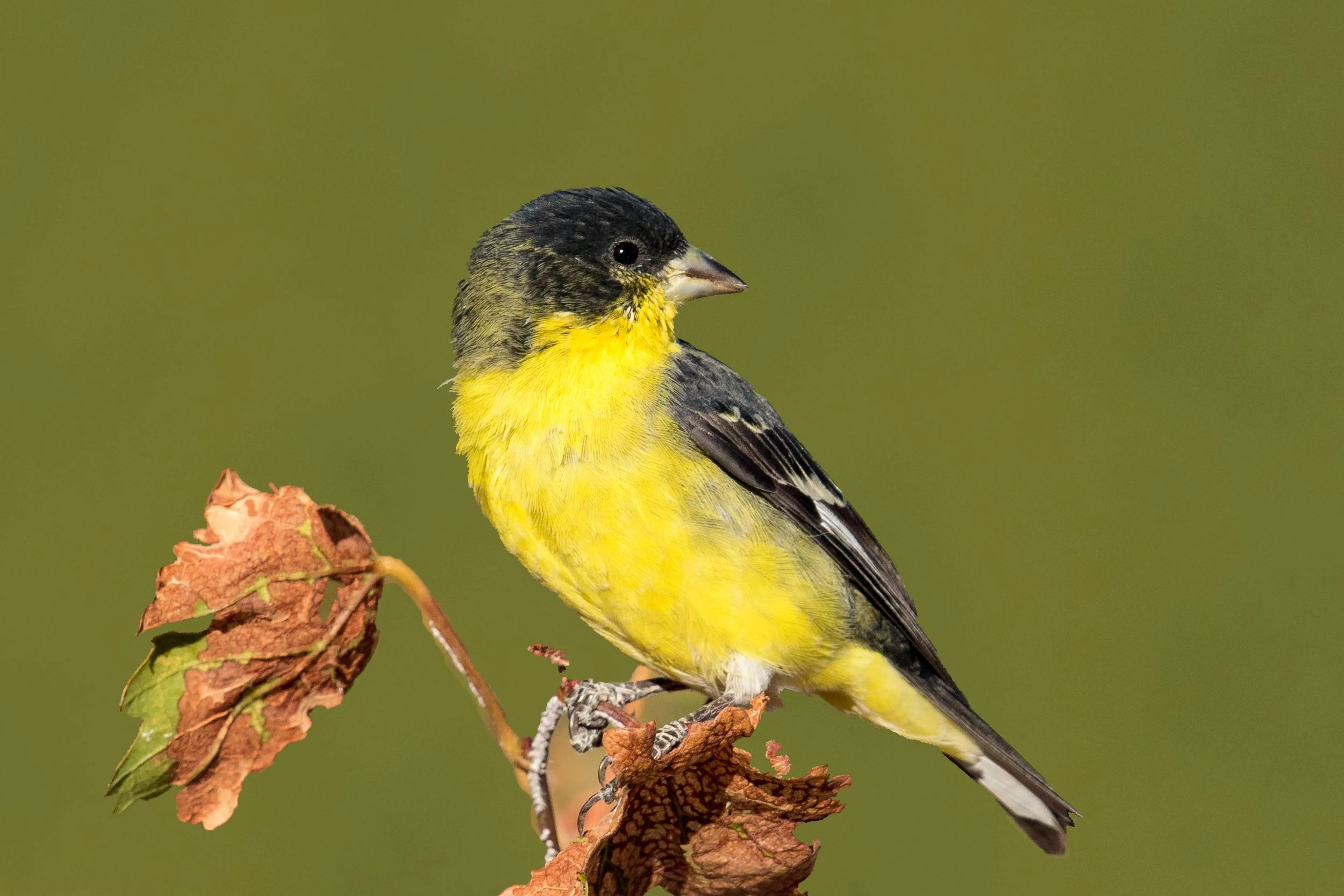
The Lesser Goldfinch is expanding its range northward from the American southwest and is now nesting in Washington State.
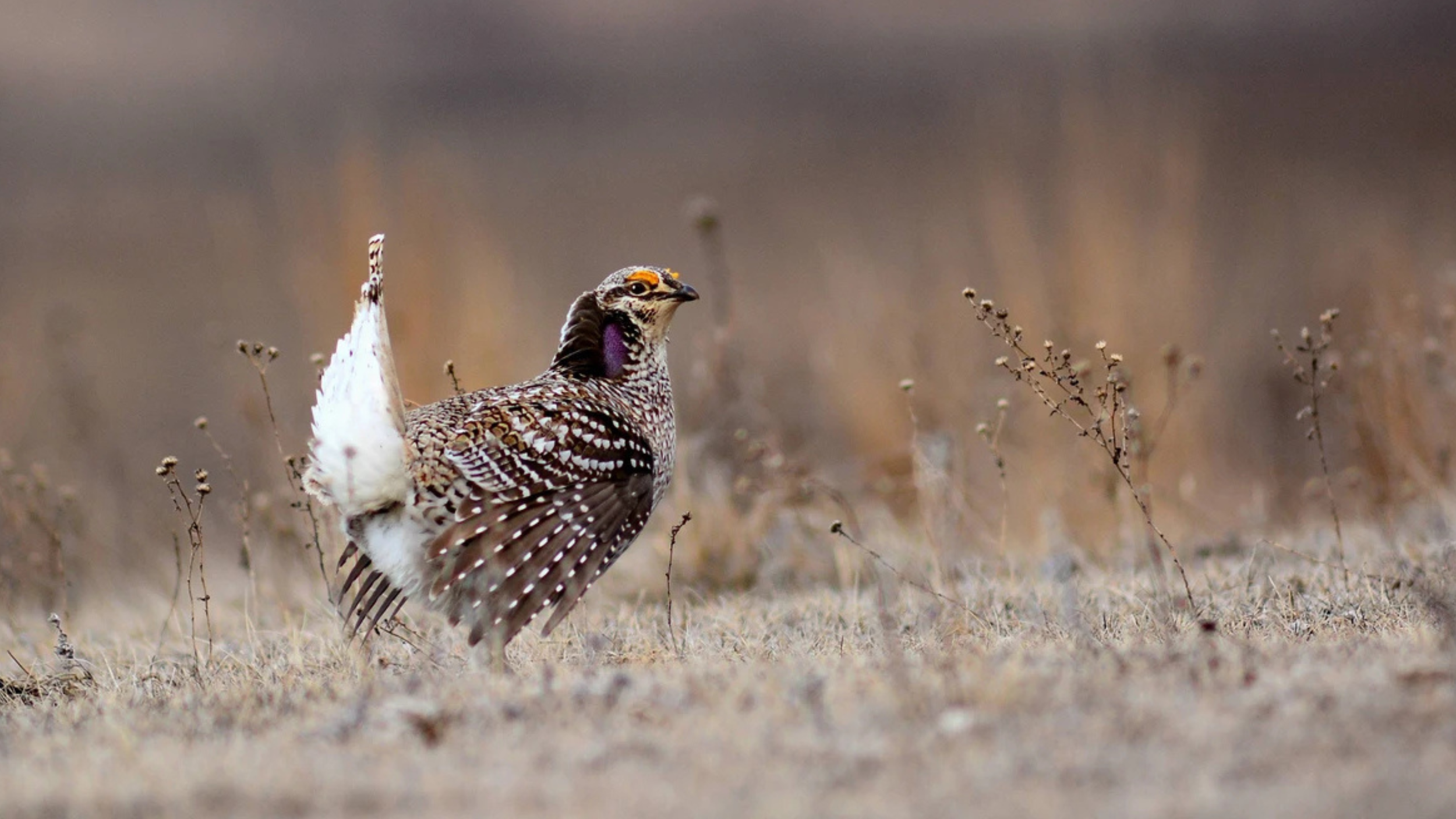
Most easily seen as it feeds in trees when snow covers the ground, the Sharp-tailed Grouse is sought after in Eastern Washington in winter.
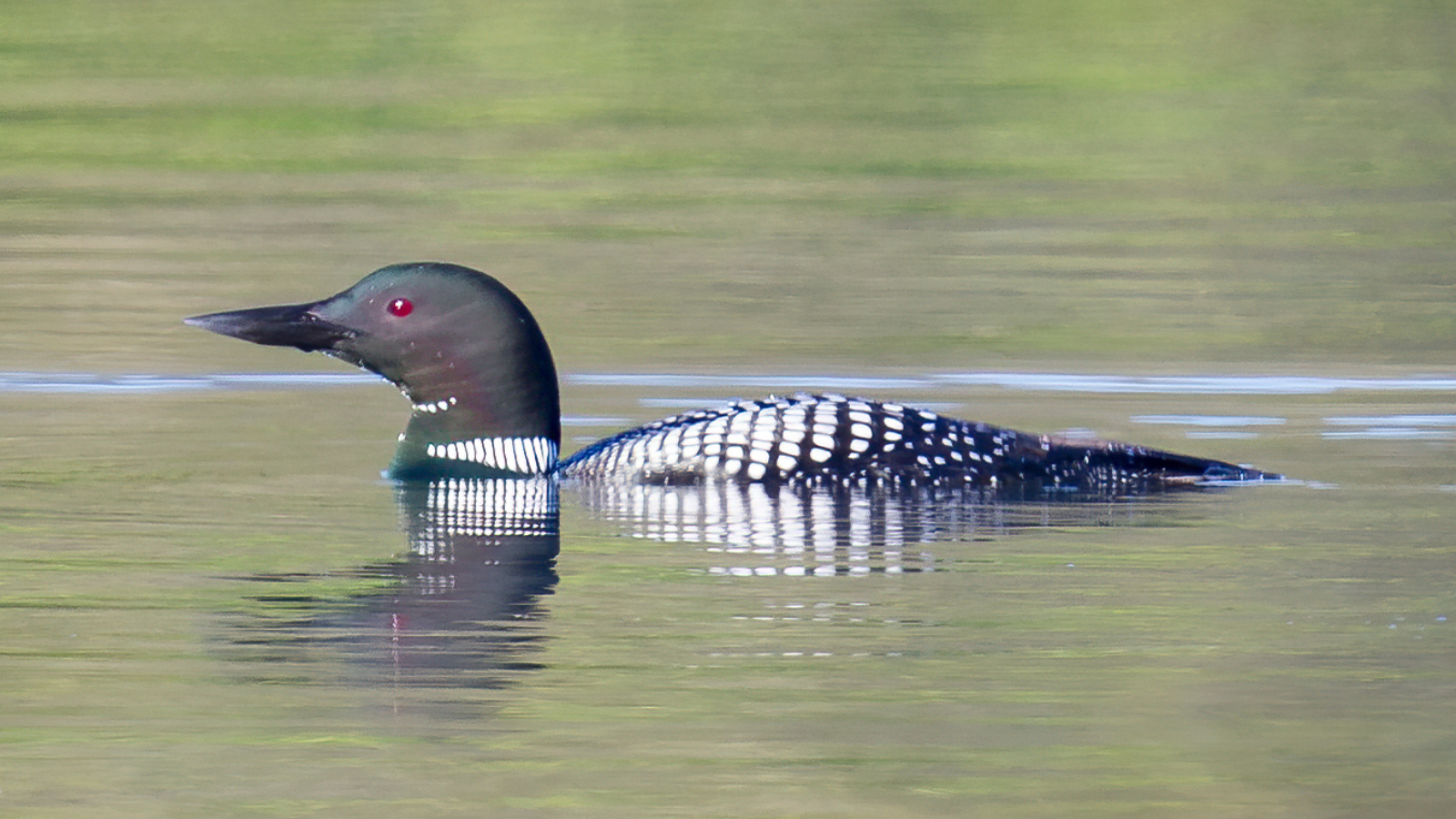
The “song of the loon” once heard will never be forgotten. Piercing the evening across a lake in northern North America the male loon defends his territory with yodels that can be heard up to 16 km away.
Often underappreciated because it is so common, the Mallard is present throughout the Northern Hemisphere and known by sight by millions of people.
The omnipresent large, pink-legged gull of the Pacific Northwest, Glaucous-winged Gull breeds in coastal colonies and spends most of its life traversing the world of sea and shore.
Our smallest merganser, the Hooded Merganser prefers ponds in wooded areas, swamps, and tidal creeks.
Sooty Shearwater is the most common shearwater off the Pacific Coast of Washington from August to October, where flocks in the hundreds of thousands move north from south of the equator after the breeding period.
The overall dark brown plumage of the Golden Eagle is accented by golden feathers on the crown and nape. Juvenile birds will also have golden feathers on the head but will have white at the base of the tail and variable -sized white patches in the wings.